More than 13.000 people in the Canary Islands will be diagnosed with cancer this year , 2026. This figure, beyond its epidemiological impact, reflects the emotional, familial, and social magnitude of this disease. Cancer is not just a medical condition: it is a process that transforms the lives of those who suffer from it and those closest to them.
To mark World Cancer Day , which is commemorated every February 4, this year's theme focuses on two essential aspects for quality care: the humanization of the cancer process and the need for truly comprehensive care.
A path that shouldn't be filled with uncertainty
For many patients and their families, facing a cancer diagnosis involves navigating a complex path: multiple tests, consultations with different specialists, treatments administered at various centers, and even conflicting information. This lack of integration and consistency in care increases anxiety, hinders decision-making, and fragments the care process at a crucial time that demands clarity, reassurance, and support.
Cancer patients, far from being passive observers, must be at the center of the care process . Their autonomy must be guaranteed through truthful, understandable information tailored to their personal, family, and social needs . Deciding on treatments cannot be a solitary burden or an imposition: it must be a choice supported by professionals capable of empathizing, informing, and listening.
Comprehensive, not fragmented, care
Comprehensive cancer care is key to providing a holistic approach to cancer. This means that medical treatments must be accompanied by other support services, such as psychological, nutritional, dental, and rehabilitation support , all within the same hospital setting to avoid unnecessary travel and waiting times. Fragmented care is a barrier to patient well-being and can compromise treatment effectiveness. Furthermore, implementing programs to prevent and mitigate adverse effects of chemotherapy, such as hair loss or polyneuropathy, should be considered a priority within a truly humane approach focused on the patient's quality of life.
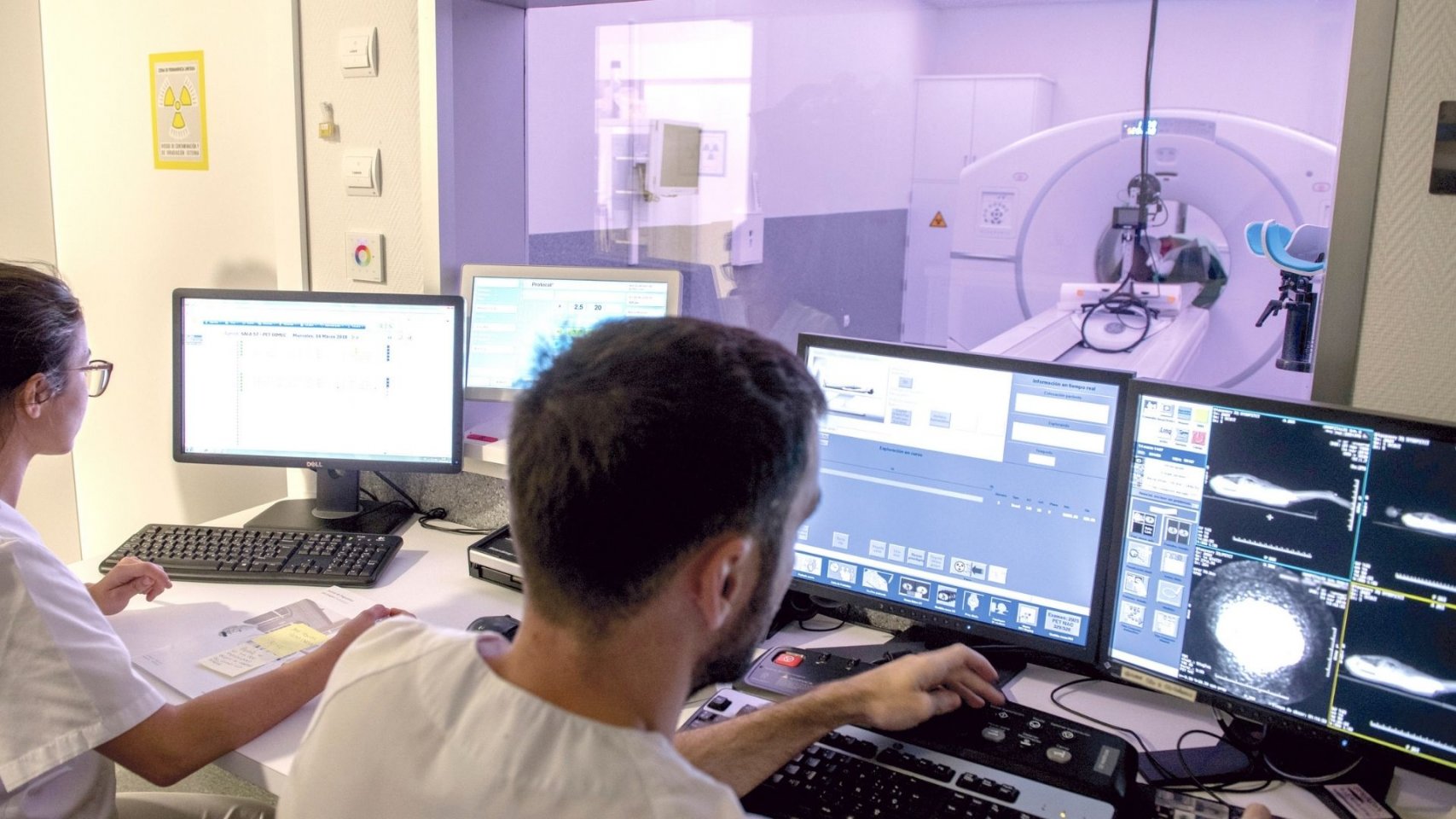
A model to follow: the Canary Islands Comprehensive Cancer Center at San Roque University Hospitals is a leading center in the Canary Islands for this comprehensive and compassionate care. Thanks to the multidisciplinary work of its professional team, patients have access to a complete diagnostic and therapeutic pathway, with centralized services that save time, build trust, and provide greater comfort. Among its lines of action and technologies are brachytherapy and robotic radiotherapy, intraoperative radiotherapy, immunotherapy and oncological hyperthermia, pioneering programs in the Canary Islands to prevent hair loss and polyneuropathy resulting from chemotherapy, among many others.
All this without losing sight of the most important value: the experience of the patient and their family.
The patient plays the leading role. Therefore, on this World Cancer Day, the message must be clear: Patients have the right to understand, decide, and be accompanied at all times.