The versatile artist Antonio García Cánovas offers in 'Portrait of a Man Like a Lady', his latest book, a demystifying version of the author of La Gioconda
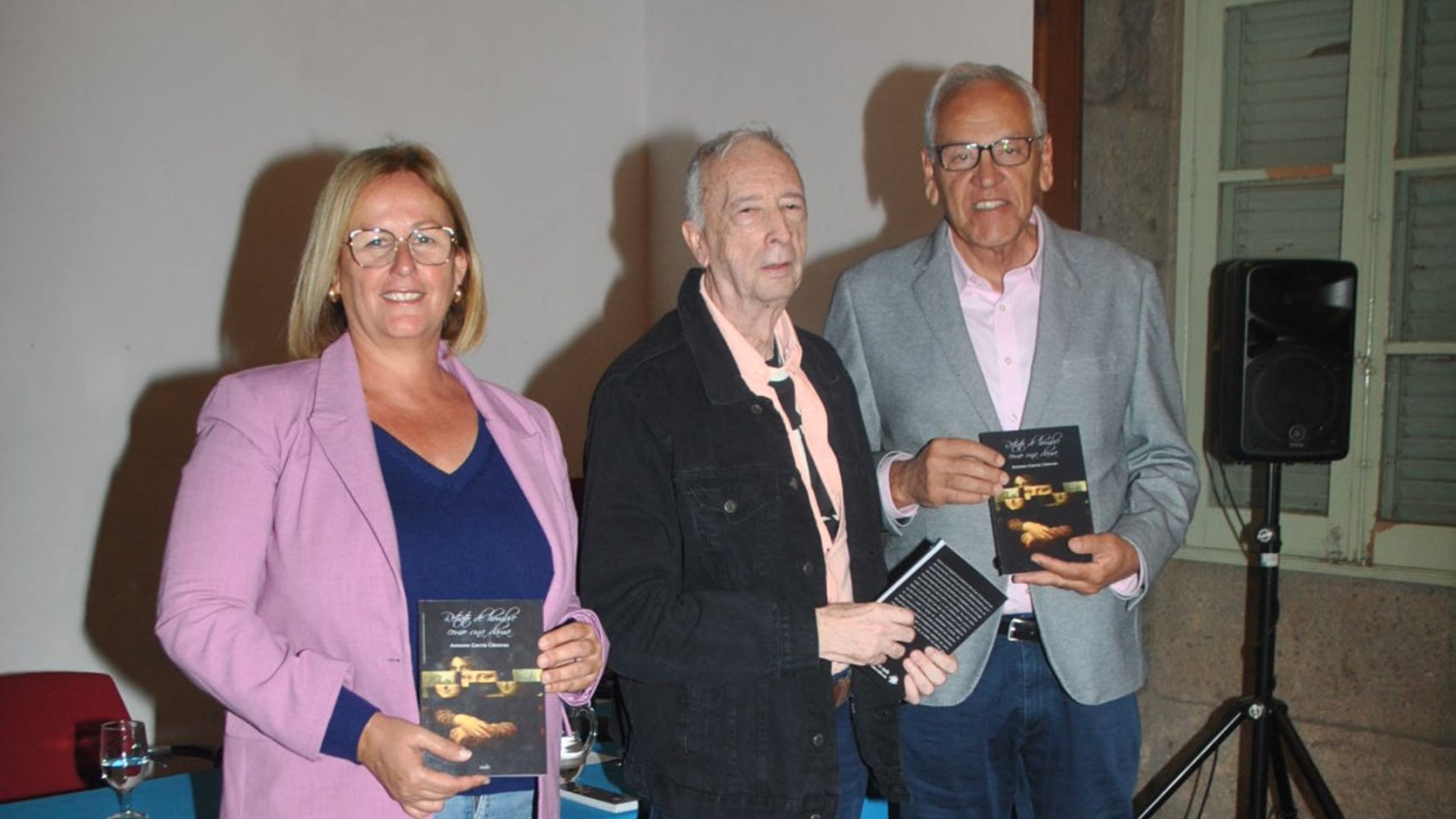
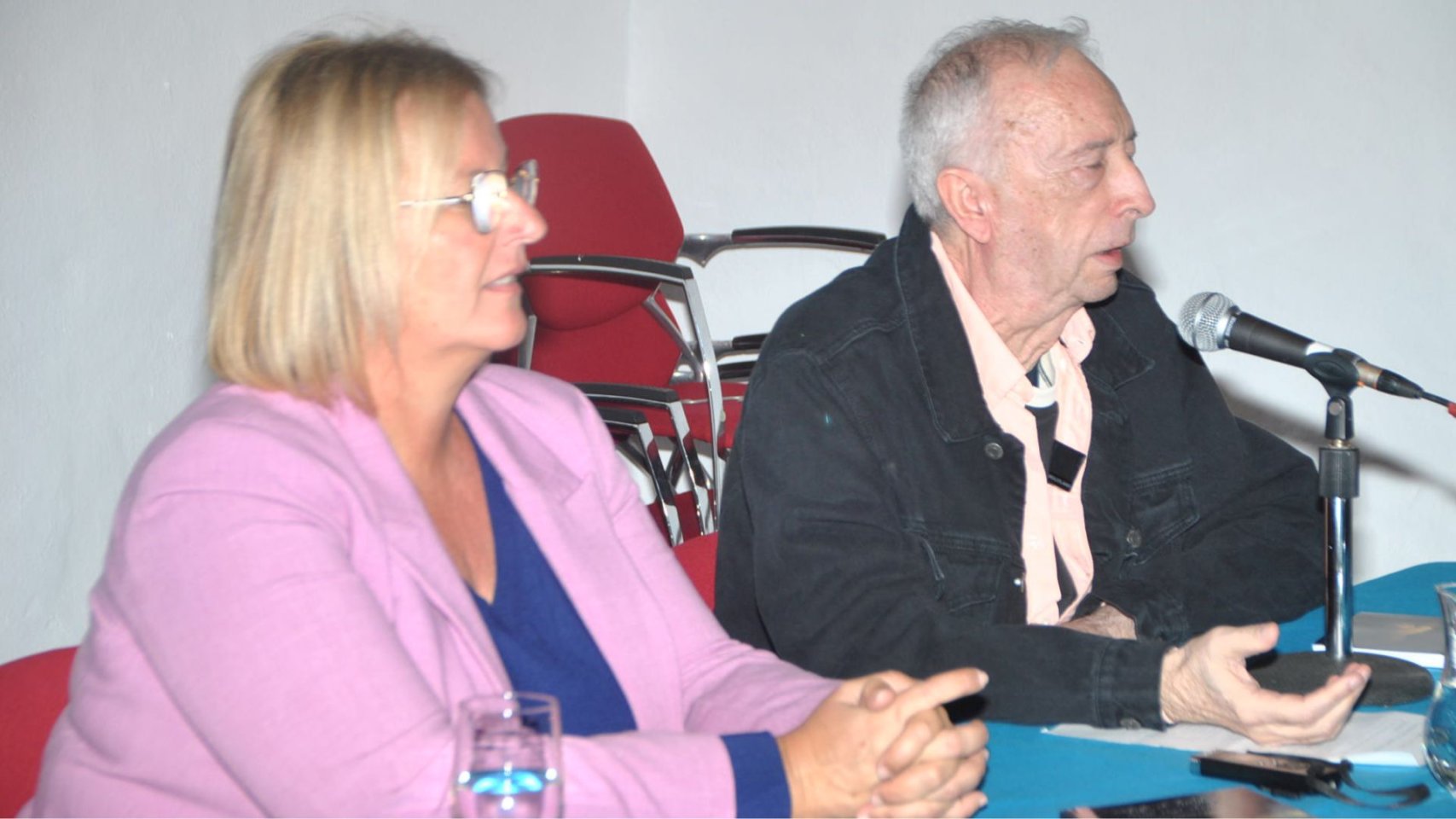
This Thursday, the Casa Condal de Maspalomas hosted the bibliographic presentation of 'Portrait of a Man Like a Lady', the latest novel by the sculptor, painter, stage director and writer Antonio García Cánovas, former director of the Municipal Theater School of the San Bartolomé City Council. from Tirajana.
At the presentation he was accompanied by the second deputy mayor Elena Álamo Vega, who highlighted the multifaceted artistic activity of Cánovas. “He has contributed and planted a lot in the field of Culture of San Bartolomé de Tirajana, and we are very happy that he continues on this path with this new book,” he said, recalling that the event is part of the project to boost reading and promotion of local and foreign writers that is being carried out by the library service of the Department of Education and Culture.
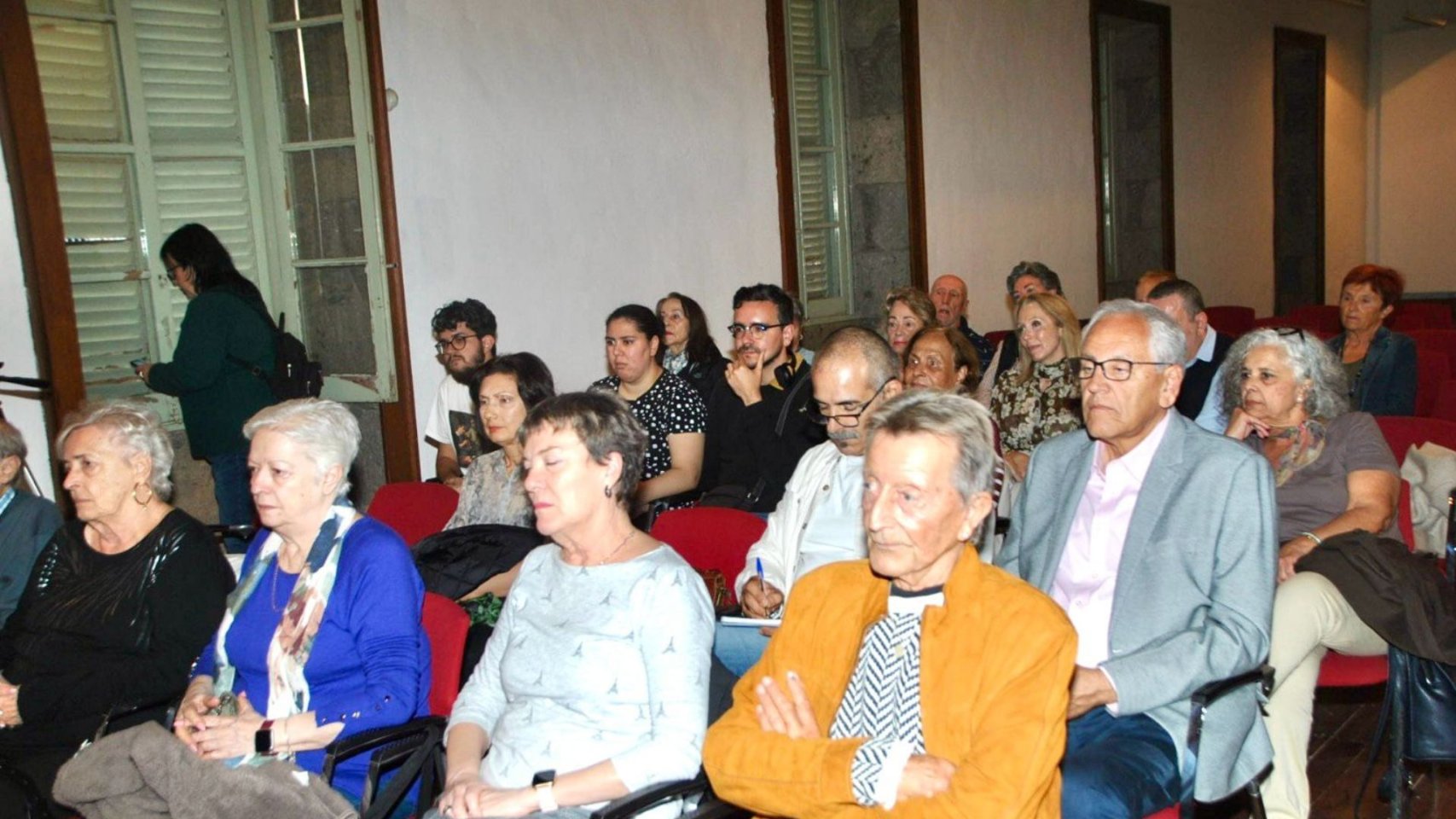
Cánovas' presentation took place for just over an hour and was attended by members of the Italian community based in the municipality, who shared with the writer many of the statements that he planted about the Florentine painter Leonardo di ser Piero da Vinci. (1452 -1519), the silent protagonist of 'Portrait of a Man as a Lady'.
García Cánovas revealed that he had been thinking about writing about the Renaissance painter for “a long time” and that he decided to do so “not with the intention of destroying his false reputation, but to show him as a man like any other, with the same defects and problems, who was hungry.” when I couldn't place a painting, because the truth is that I didn't finish any. There are very few paintings that he finished. “He was a globetrotter who wandered throughout Italy because he did not fulfill the orders that were given to him,” he stated.
García Cánovas maintains that the glorification of Leonardo da Vinci is undeserved. “It is pure legend. He was not the greatest of the Renaissance, because he was not an engineer or architect even though it is attributed to him. Yes, he was an extraordinary and magnificent draftsman, and no one can take that away from him, but every time he painted he screwed up because he wanted to experiment, as happened with his cenacle, of which there is hardly anything left.
Despite what has been said, Cánovas admits that his novel is not a standard biography of Leonardo. “He is not the direct protagonist of the story, but three real characters who were part of his intimate life and who were his lovers.” Throughout the 165 pages of the text (Ediciones Ende), those who show the carnal Da Vinci are Francesco Melzi, his student, secretary and assistant; Giacomo Caprotti, Salai, also a disciple and assistant of Leonardo, and Atalante Miglorotti, musician and also assistant of Da Vinci. “The three characters tell the life they lived with Leonardo, and that comes in handy to dispel the myth,” he says.
Antonio García Cánovas considers Giorgio Vasari (1.511 – 1574) to be responsible for the mythification of Leonardo da Vinci. “In the 50th century, this man allowed himself to publish a pure story with which he did a very bad service to history, because his work on the architects, painters and sculptors commissioned by the lordship of Florence has been reiterated throughout centuries by lazy and lazy historians. Of Leonardo, who had died XNUMX years earlier, Vasari had absolutely nothing.”
Cánovas maintains that Leonardo's creation and boom began to take shape “with the romanticist cultural movement that demanded geniuses, and with the theft of the Mona Lisa, until then a minor painting that has since become the flagship of the Parisian Museum. of the Louvre, and in a whole business.”
“Not even the Mona Lisa is the model Lisa Gherardini, but a man, Salai himself, who was the one who inherited the painting,” says Cánovas. “Even the Vitruvian Man is a much improved copy that he made of an original work by a friend of his, Giacomo Andrea da Ferrara. And like this, many other things happen with Leonardo. He was a magnificent draftsman and a disaster as a painter. “He had a talent that he wasted,” maintains the writer. “About Leonardo, lies pile up on top of lies. Even the thing about his grave and his remains in Amboise (France) are an invention. We are still waiting for the results of the scientific tests. And all of that is proven and written,” he says.
The latest novel by Antonio García Cánovas and also all his graphic, cinematographic and audiovisual, stage and narrative work is freely available for reading and consultation by any Internet user at https://www.antoniogarciacanovas.com.