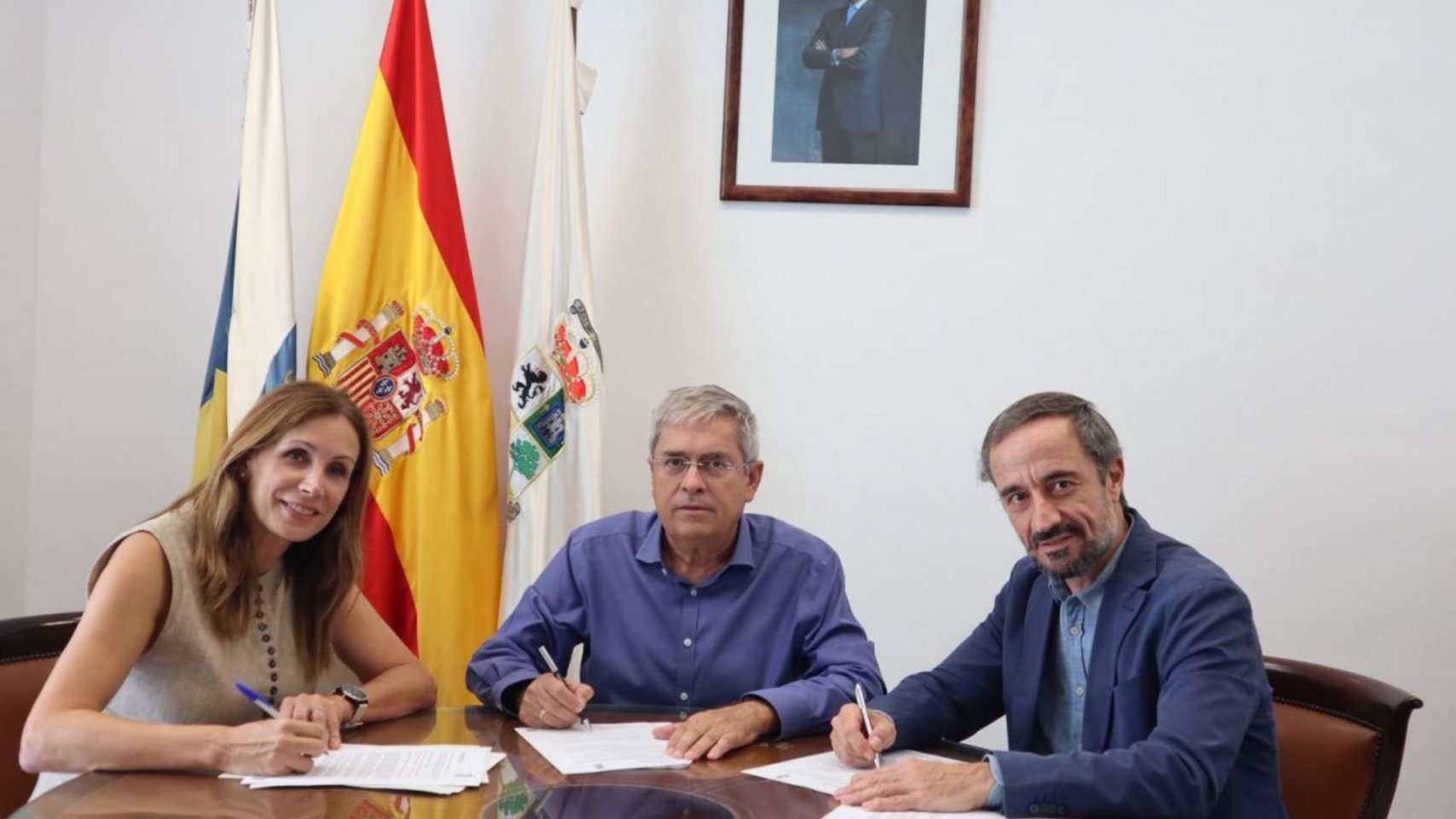
The signing of the first Sectoral Collective Bargaining Agreement for professional aquatic surveillance, rescue, and lifeguarding in natural aquatic environments, covering the period from 2026 to 2030, marks a regulatory and labor turning point for professionals working on the beaches and sand dunes of southern Gran Canaria. Published in the Official Gazette of the Canary Islands under the supervision of the General Directorate of Labor and signed by the sector's employers' association along with the trade unions UGT Canarias and CCOO Canarias, with 8 and 5 delegates respectively, the regulatory framework provides stability to a group crucial to safety in the main tourist areas of the municipality of San Bartolomé de Tirajana and throughout the archipelago.
The professionalization of the lifeguard workforce is a response to the extreme economic dependence of the Canary Islands on the service sector. With tourism contributing approximately 37,7% of the regional Gross Domestic Product and generating 42,3% of total employment, and having been the driving force behind 47,6% of the islands' economic growth since 2019, bathing safety is no longer a secondary service but a strategic pillar of the destination's competitiveness. This workforce development is taking place within a complex economic context marked by an average rental cost of €16,28 per square meter and housing sale prices exceeding €3.000 per square meter in the islands.
The agreement establishes a functional classification structured into five professional groups, differentiated according to the required technical training, the degree of autonomy, and the operational responsibilities assumed in the natural environment. Group 4 directly includes lifeguards in natural aquatic environments, requiring specific qualifications such as the sports technician in rescue and lifesaving or the professional certificate with the corresponding code, while the higher groups encompass sector supervision, rescue vessel skippering, and technical management of services.
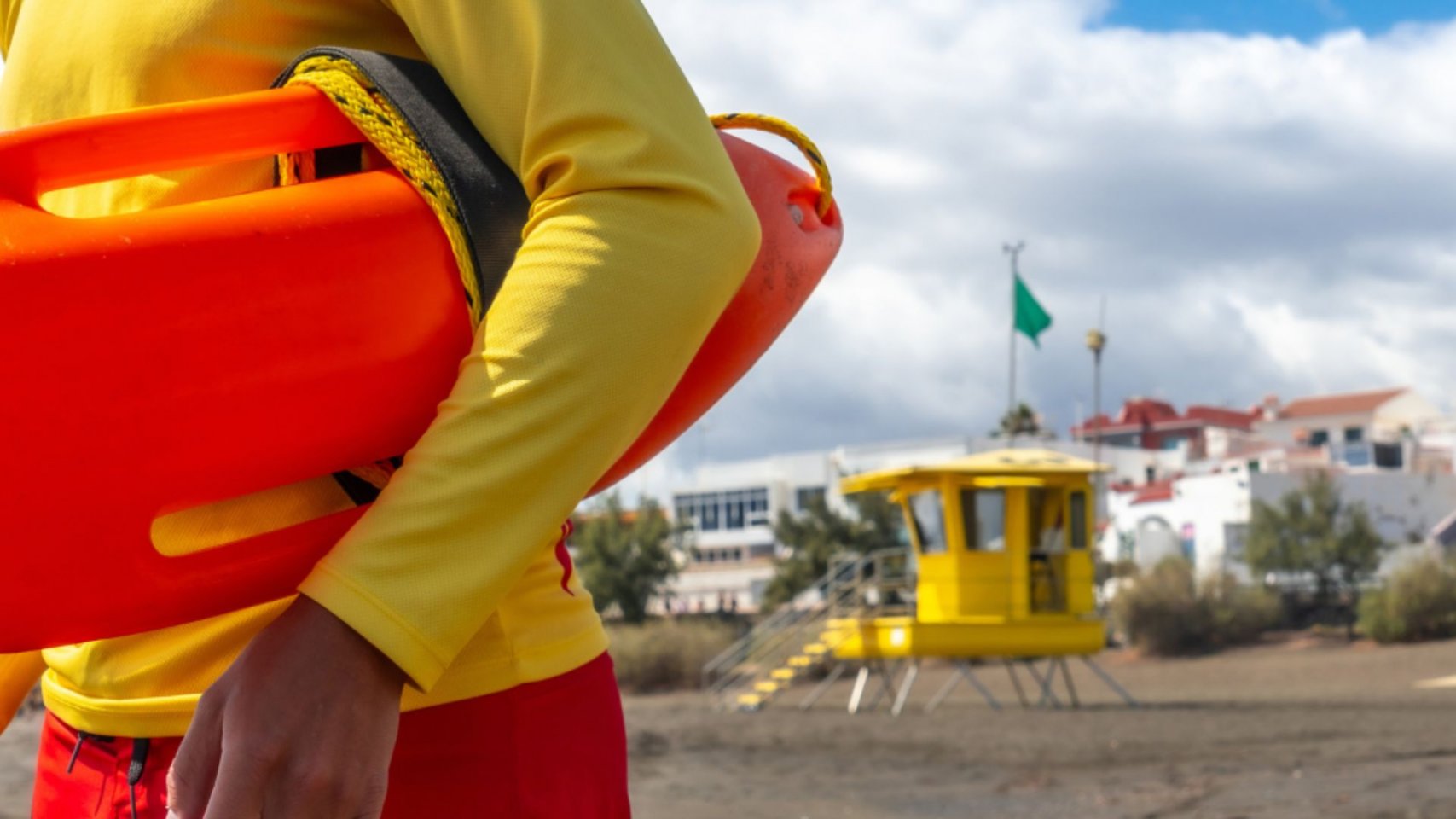
The regulatory framework precisely governs the daily duties of lifeguards on beaches and in natural pools, encompassing everything from static and dynamic surveillance to initial intervention in aquatic and terrestrial emergencies. It also defines the responsibilities of area supervisors and boat captains, ensuring compliance with operational protocols, the maintenance of rescue equipment, and ongoing coordination with emergency centers along a coastline subject to changing weather conditions.
The agreement, valid from November 30, 2026, to December 31, 2030, establishes a framework for extended validity and mechanisms for out-of-court dispute resolution through the Canary Islands Labor Court and the Joint Committee. This body, composed of eight equal representatives from employers and unions, will be responsible for interpreting the salary scales, monitoring sectoral application, and managing any non-applications based on organizational or economic grounds, in accordance with current labor legislation.
For tourist municipalities in southern Gran Canaria such as San Bartolomé de Tirajana and Mogán, standardizing the working conditions of lifeguard teams represents a guarantee of quality in the provision of essential services. Improving the working conditions of lifeguards strengthens the legal security of companies awarded public contracts and reinforces the image of comprehensive safety demanded by international visitors who frequent the beaches of Maspalomas and Meloneras.
The impact of this regulatory framework extends to all beach activities in the autonomous community, establishing a minimum standard of professional and remuneration guarantees that aims to eradicate the historical precariousness in the aquatic emergency services sector. The standardization of professional lifeguard profiles with European standards strengthens the confidence of tourism operators in Gran Canaria as a tourist destination.