The Maspalomas Gran Canaria Consortium, whose official website has been deactivated, has officially cancelled the public tender designed to rigorously evaluate the economic and social return on its main strategic investments in the south of the island. This administrative decision definitively halts the bidding process, which aimed to audit the real impact on economic activity, job creation, and territorial cohesion of five key urban and tourism projects carried out in the municipality of San Bartolomé de Tirajana. This decision forces the consortium to reconsider its timelines and budget control strategy in the southern region.
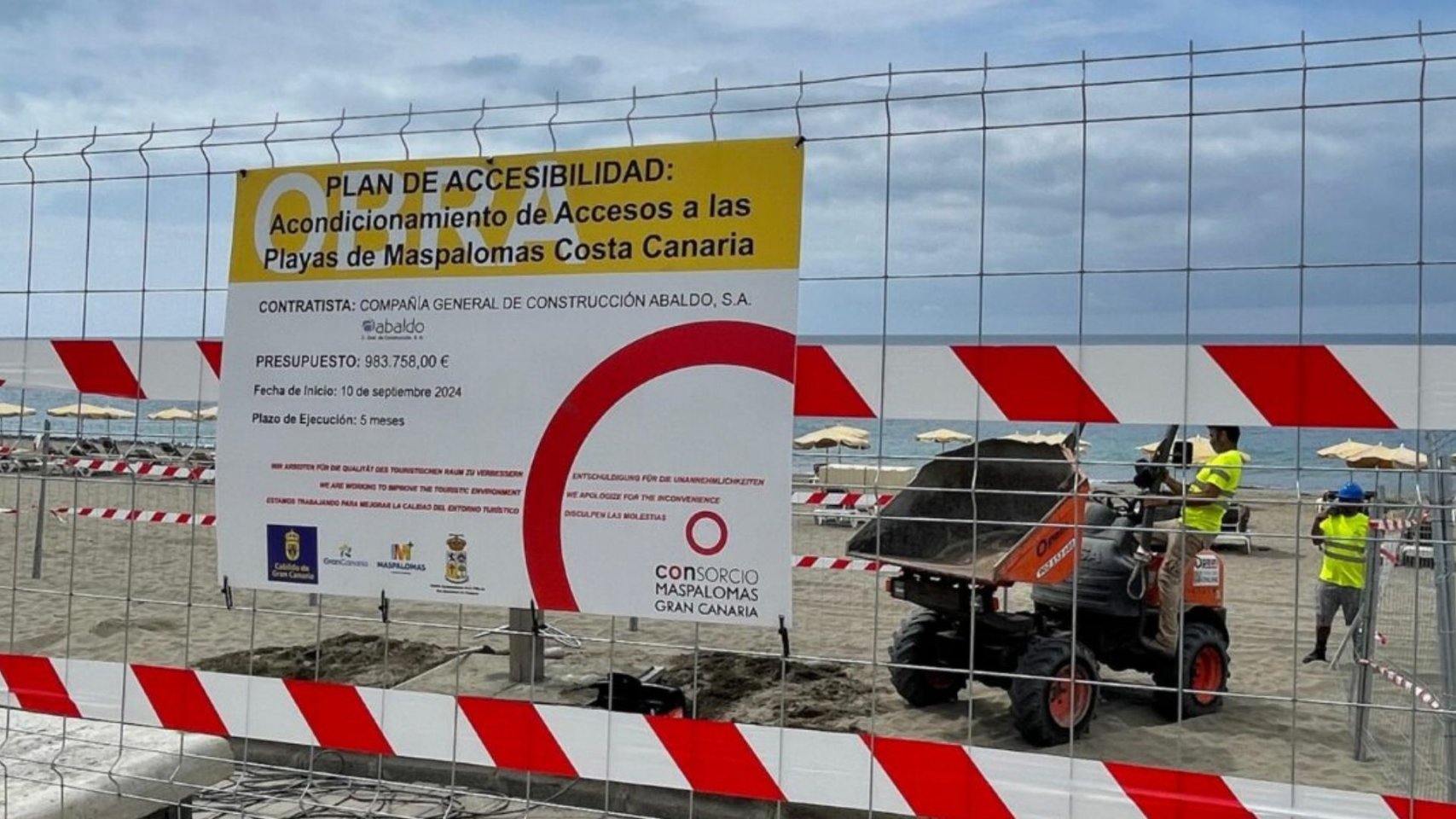
The suspension of the procedure directly affects projects designed to consolidate the transformation of the coastline and urban centers of southern Gran Canaria. Among the actions included in the original technical specifications were the landscaping of the hillside between the toboggan run and the beach, the ambitious transformation of the Maspalomas Municipal Market, the installation of climate control at the Ernesto Hernández swimming pool in San Fernando de Maspalomas, the complete renovation of the Meloneras promenade with public lighting, and the development of the municipal coastline accessibility plan. Each of these projects was to undergo a detailed analysis to verify its effectiveness in allocating public funds and its alignment with the actual needs of the area.
The economic and operational conditions of the cancelled tender stipulated a highly complex methodological structure, organized into six successive phases ranging from initial design to the final delivery of databases and editable files. The winning bidder would have had a maximum of nine months to audit the interventions, with the requirement to apply standardized models for evaluating the impact and economic return on the resources allocated to improving tourism infrastructure. The tender specifications also included strict traceability controls to document all working hypotheses and official statistical sources used during the sector studies.
The core of the annulled technical requirement lay in the obligation to conduct extensive fieldwork with significant physical presence in Gran Canaria to guarantee the reliability of the conclusions. The tender specifications mandated a minimum of five site visits on separate days, twenty-five in-person interviews with qualified stakeholders from the socioeconomic fabric, and five sectoral participation roundtables to verify the preliminary results. Furthermore, the contract stipulated mandatory periodic validation meetings with the Consortium and two public presentations of the conclusions to the municipality's social and economic stakeholders.
The cancellation of this procurement process raises significant questions about the timelines and oversight mechanisms the consortium will use to monitor the social return on its infrastructure spending. In an environment where the competitiveness and sustainability of the southern Gran Canaria tourist destination demand high standards of governance and institutional transparency, the withdrawal of the tender forces the corporation to reconsider the technical instruments needed to measure the real return on public investment made in recent years.
The restructuring of this socioeconomic audit will inevitably affect the planning of future urban development projects in the main tourist areas of San Bartolomé de Tirajana. Local operators and community groups are closely watching the Consortium's next administrative steps to determine whether new specifications will be drawn up to meet budgetary requirements or whether a complete overhaul of the project will substantially alter the impact assessment criteria established for the economic development of the island's south coast.
The uncertainty generated by the withdrawal of the administrative file is forcing municipal technical services to redesign the scope of performance indicators. The need for a reliable tool to measure the economic impact in established tourist areas remains an essential priority for the efficient management of public resources in the archipelago.