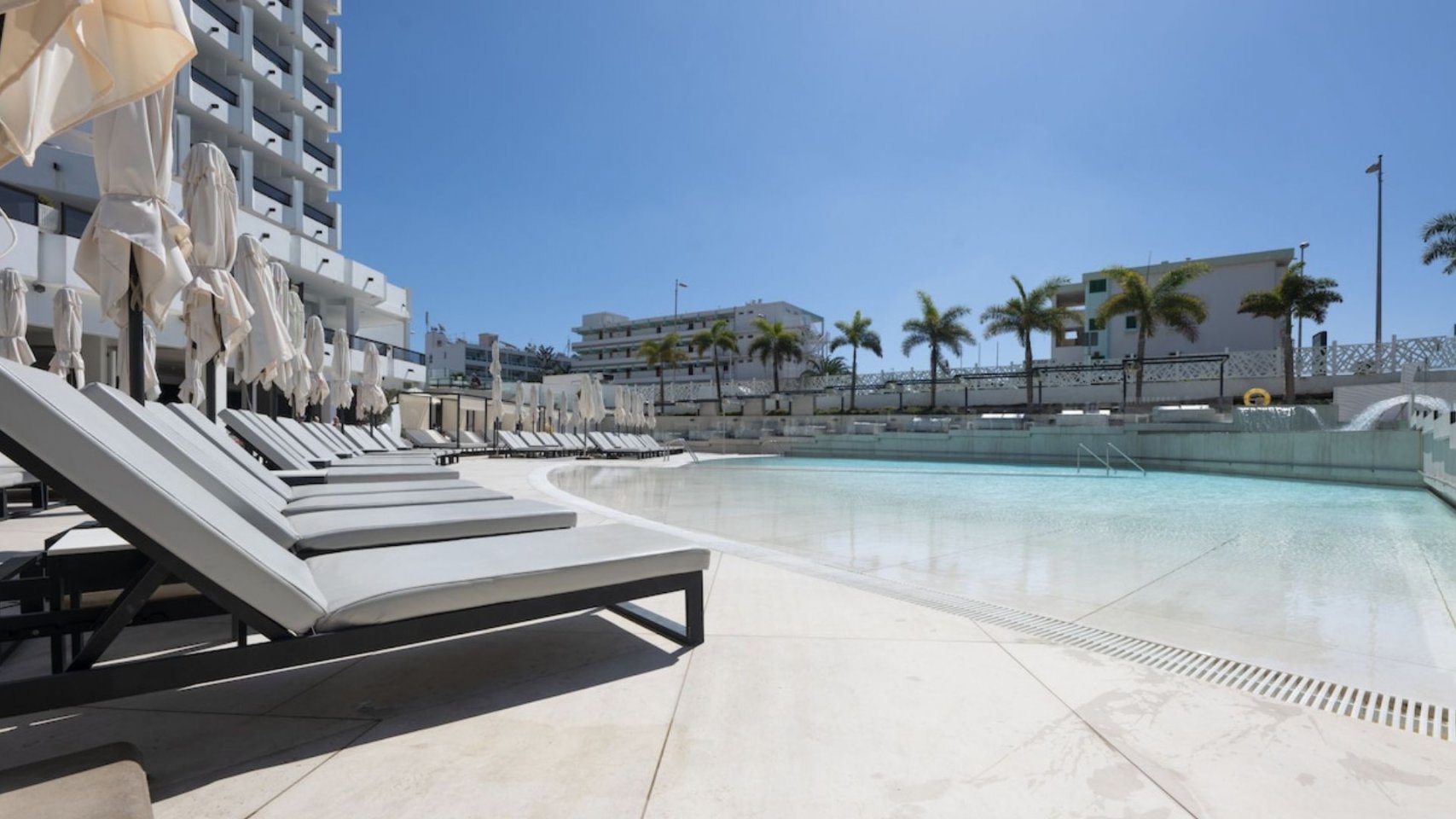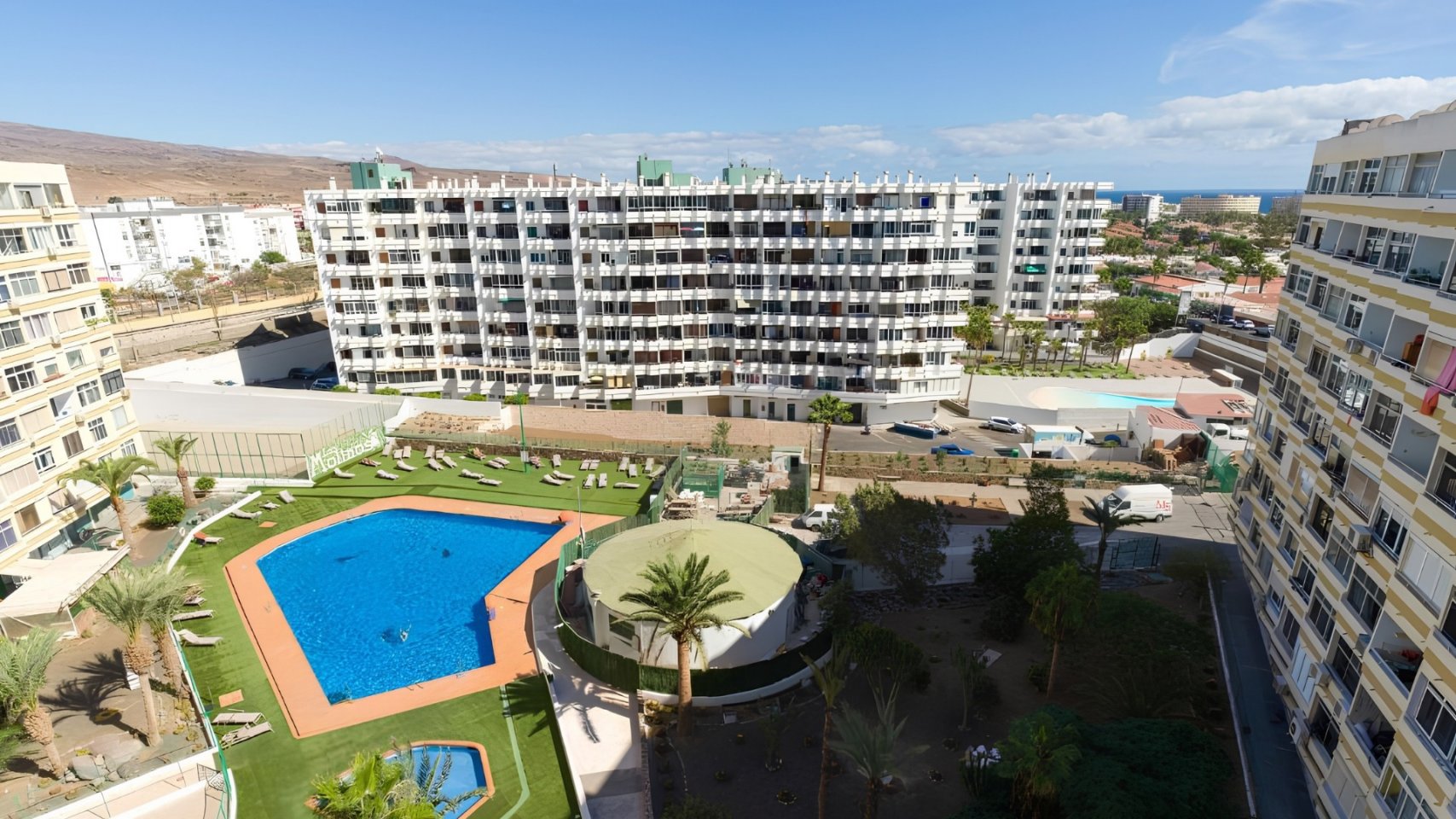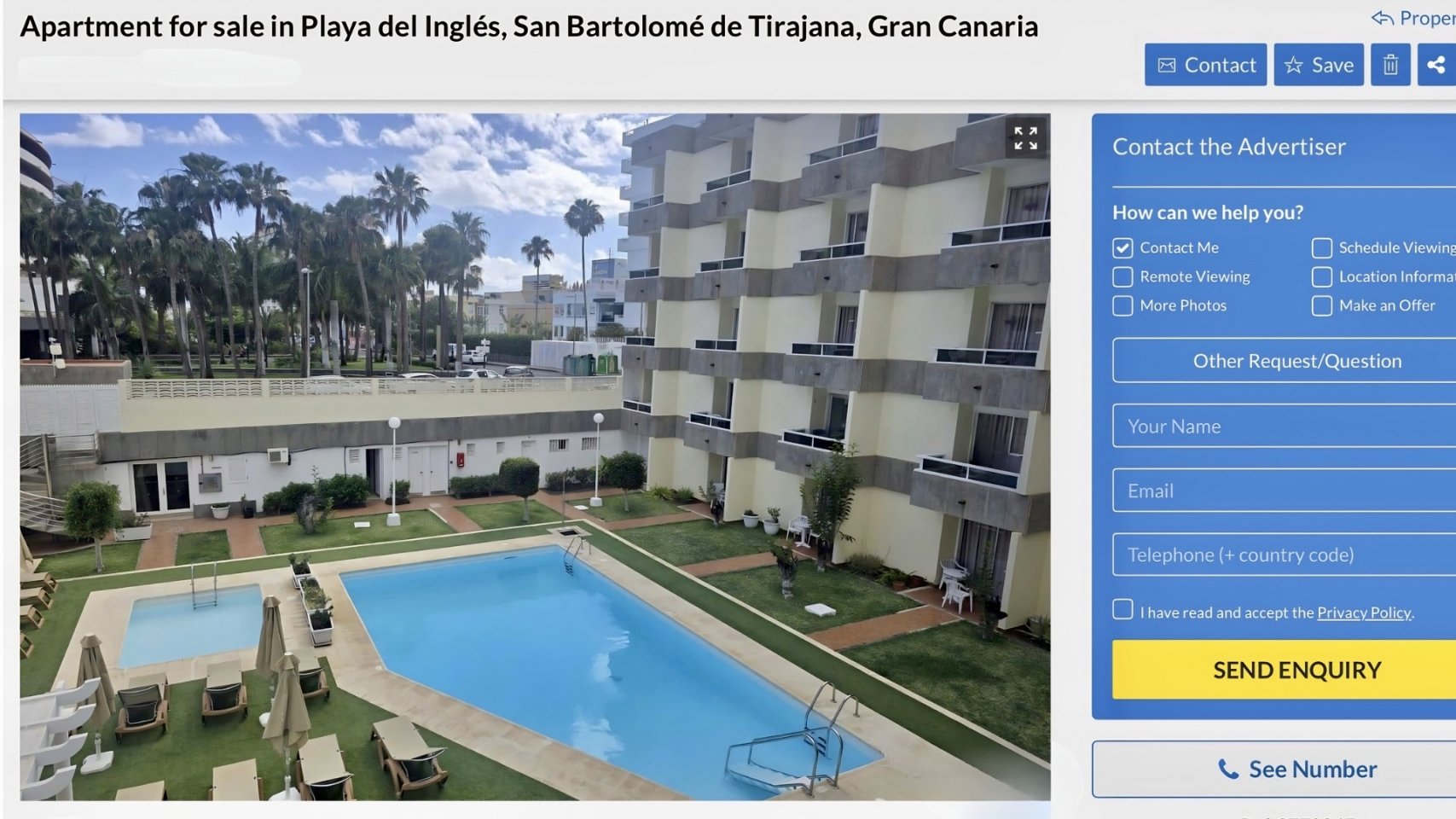
The Canary Islands Parliament has halted the processing of a bill presented by the Socialist Group to regulate residential development on plots and in complexes designated for tourist use. The bill passed with votes against from the Canarian Coalition, the People's Party, and the Independent Herreña Group, while the Gomera Socialist Group abstained. The legislative initiative, which had the support of New Canaries and Vox, aimed to provide a legal framework for the consolidation of existing housing in mixed-use or non-hotel areas of the archipelago, adapting the definition of establishment and accommodation unit to the social reality of the southern islands.
The rejected proposal sought to reconcile the permanent residency of small landowners with tourism development in key municipalities such as San Bartolomé de Tirajana and Mogán, preventing residents from being subject to the dictates of large hotel chains. The parliamentary debate highlighted the rift between the opposition and the regional government regarding the protection of property rights in tourist areas, bringing to light the electoral commitments made by the regional president to affected groups before his investiture.
The group promoting the initiative criticized the Canary Islands Tourism Ministry and the Canary Islands Government itself for systematically blocking parliamentary initiatives aimed at providing legal certainty to thousands of families residing in resorts in southern Gran Canaria. The opposition reproached the regional government for the lack of concrete details regarding the promised reform of the tourism law and deemed the regulatory measures enacted to date insufficient to resolve the conflict over residential use of tourist land.
The Canary Coalition parliamentary group justified its rejection of the proposal, arguing that the Socialist proposal would create new legal uncertainties regarding coexistence within the resorts. However, they urged the Tourism Department to present a comprehensive and technically rigorous legislative proposal to address the complexities of the non-hotel accommodation model. For its part, the People's Party defended the actions taken by the Tourism Department, highlighting the elimination of the right to expropriation and the end of mandatory inspections as steps toward a regulated framework for conversion of land use and holiday rentals.
Opposition groups underscored the distress of the affected property owners, accusing the government of prioritizing the interests of large tourism operators over the right to housing for Canarian families in coastal areas. Meanwhile, the Gomera Socialist Group called for the immediate establishment of an inter-group working group to reach a consensus on a final text that would end more than a decade of administrative uncertainty in the islands' main tourist centers.
The parliamentary rejection leaves the regulation of residential use in tourist areas pending the Canary Islands Government's announced bill. The lack of institutional consensus prolongs the conflict between the intensive tourism development model and the consolidation of residents' rights in the municipalities of southern Gran Canaria.