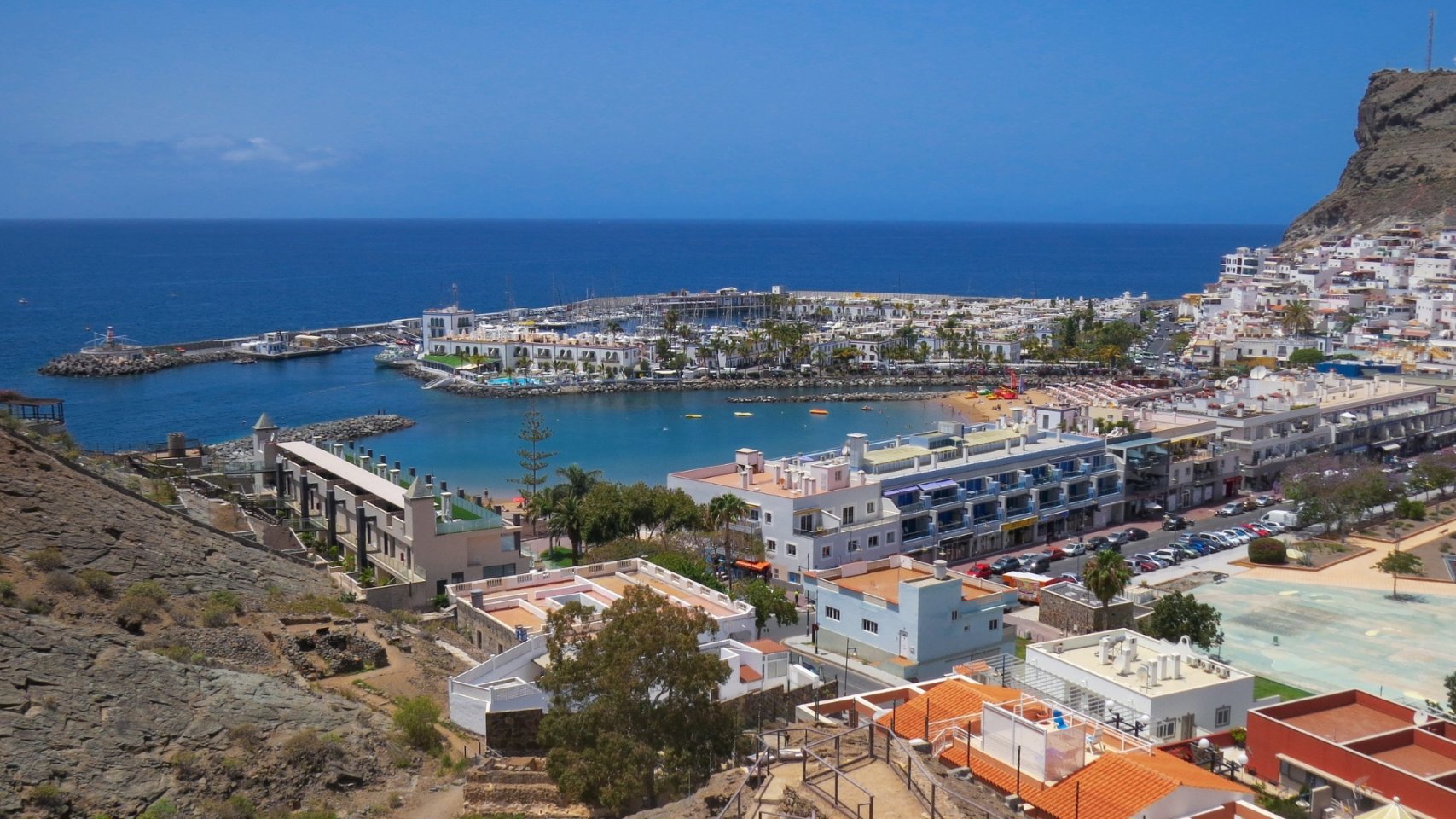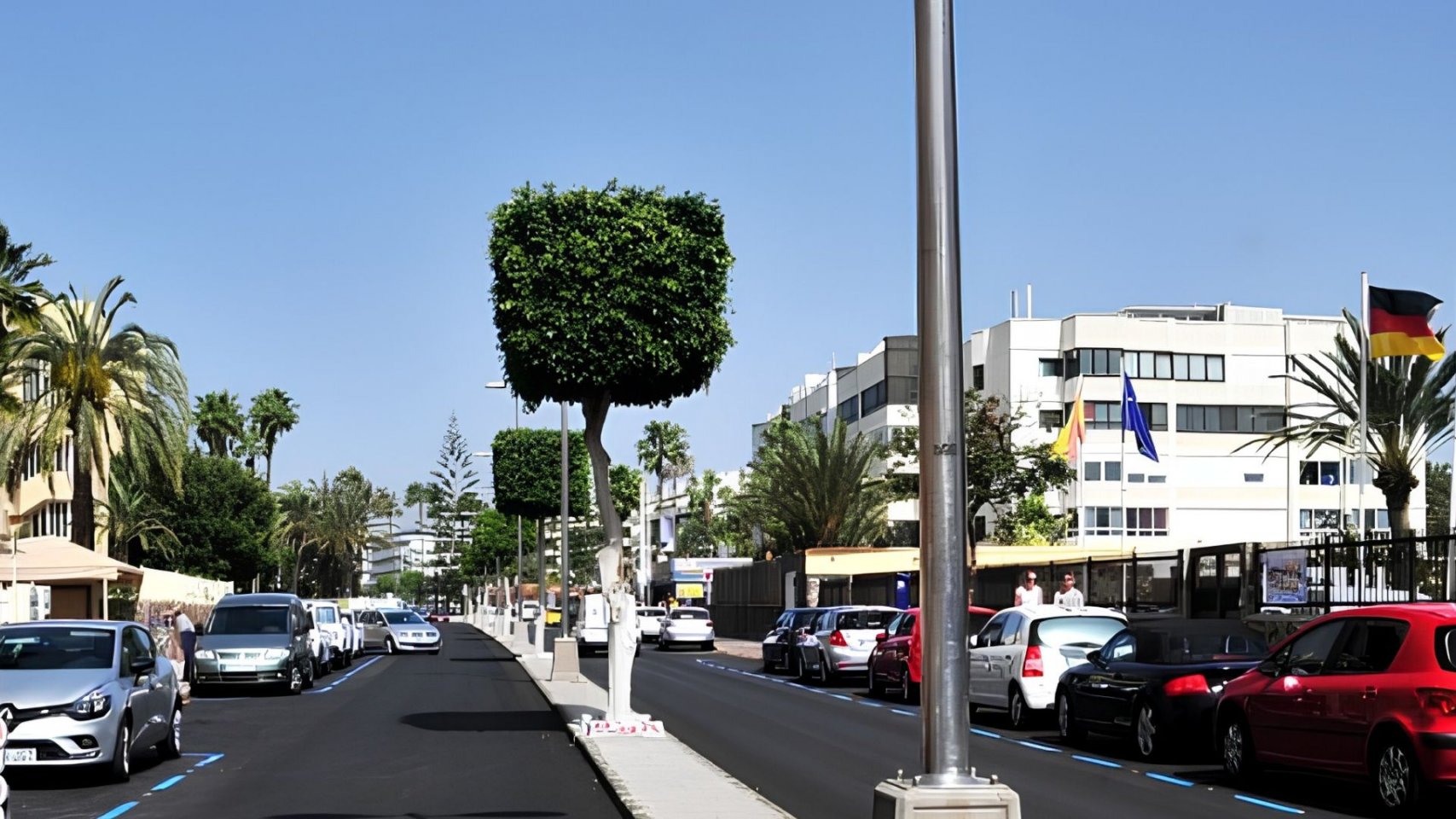
The implementation of seasonal time adjustments introduces a factor of economic and operational disruption in high-density tourist destinations like Maspalomas, and 2026 will be no exception. The artificial extension of daylight hours in the summer months, as well as their contraction during the winter, sparks a financial and logistical debate that directly impacts the bottom line of hotels, local restaurants, and travel agencies in the municipality of San Bartolomé de Tirajana. While the sun and beach tourism sector defends the incentives for consumption generated by longer evenings, logistics and transport operators warn of the temporary disruptions that the change introduces to the flow of international visitors.
From an economic standpoint, sectors such as hospitality, retail, and nightlife would be among the most sensitive to a decision that modifies the evening daylight hours. This is because, in a country where much of the tourism revolves around outdoor experiences—terraces, promenades, beaches, and gastronomy—long evenings have an added value that is difficult to quantify but clearly visible in daily activity.
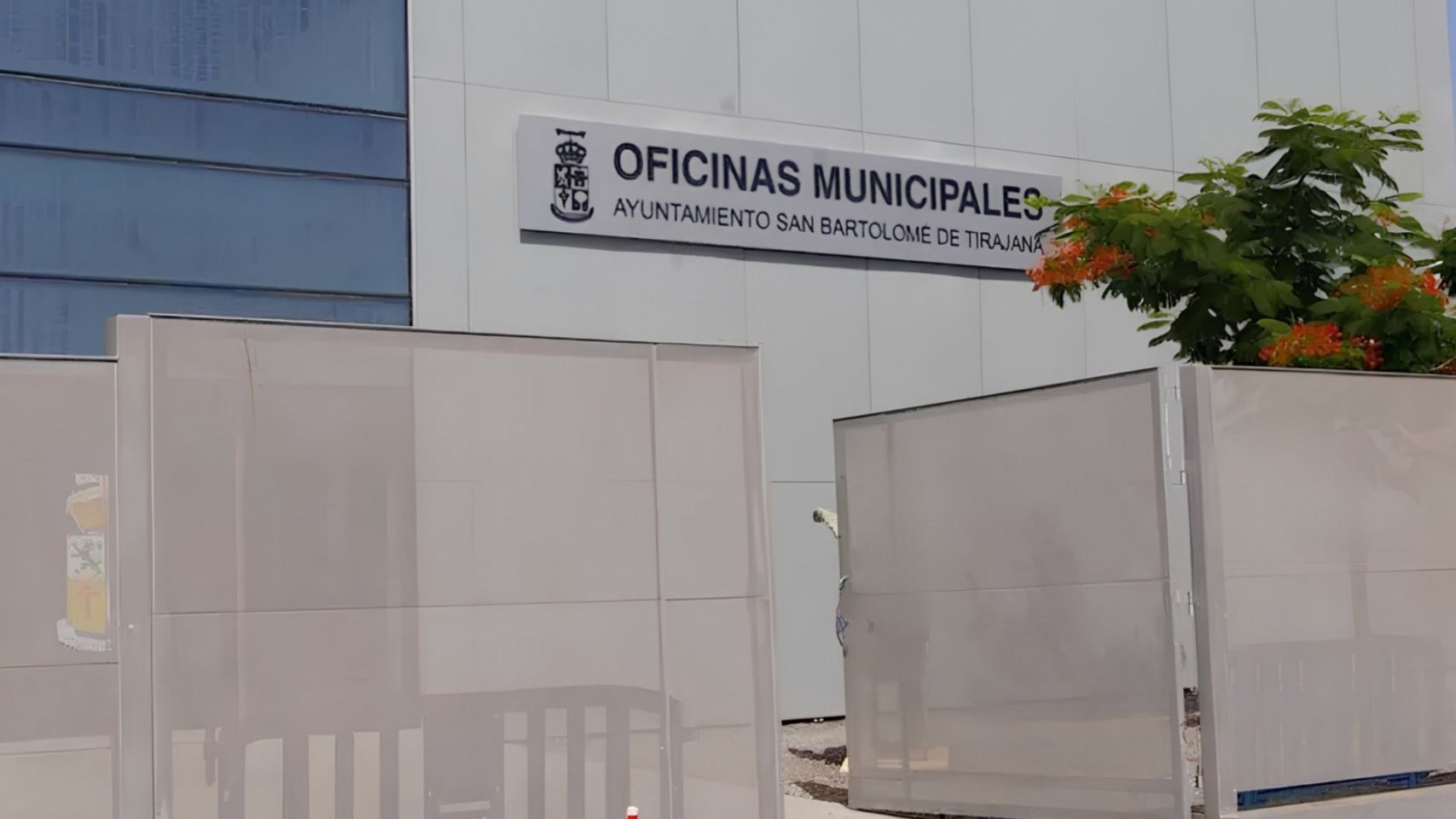
The implementation of seasonal time changes introduces a factor of economic and operational disruption in high-density tourist destinations like Maspalomas. The arrival of winter time at the end of October—a temporary adjustment that has historically sparked political debate in the European Union's Energy Council regarding the advisability of abolishing seasonal time changes—mobilizes financial and logistical variables that directly affect the bottom line of hotels, local restaurants, and travel agencies in the municipality of San Bartolomé de Tirajana. While proponents of solar time emphasize the need to align biological rhythms with the recommendations of the Spanish Sleep Society, the tourism sector assesses the financial impact resulting from the reduction in evening daylight hours.
From the economic perspective of the retail and restaurant sectors in key areas such as San Fernando, Playa del Inglés, and the Maspalomas coastline, the reduction of daylight at sunset alters visitor spending patterns. Macroeconomic studies on credit card spending, such as those analyzed by financial institutions like JP Morgan, indicate that periods following the switch to winter time see decreases in daily per capita spending, most significantly impacting the purchase of everyday consumer goods, fuel, and purchases at small shops, while restaurants demonstrate greater resilience to the reduction in sunlight.
From a strictly energy perspective, the time change theoretically aims to optimize efficiency and reduce electricity bills. Previous reports from the IDAE (Institute for Energy Diversification and Saving) estimated potential savings of 5% in domestic consumption, although more recent technical research reduces this impact to very modest margins of 0,34% or even neutral variations, because the increase in demand for heating and artificial lighting offsets the previous decreases. In the large accommodation complexes of southern Gran Canaria, the earlier sunset concentrates peak domestic and hotel electricity demand in the evening, forcing operators to intensify the use of energy-efficient technologies, LED lighting, and home automation systems to mitigate the increase in electricity costs.
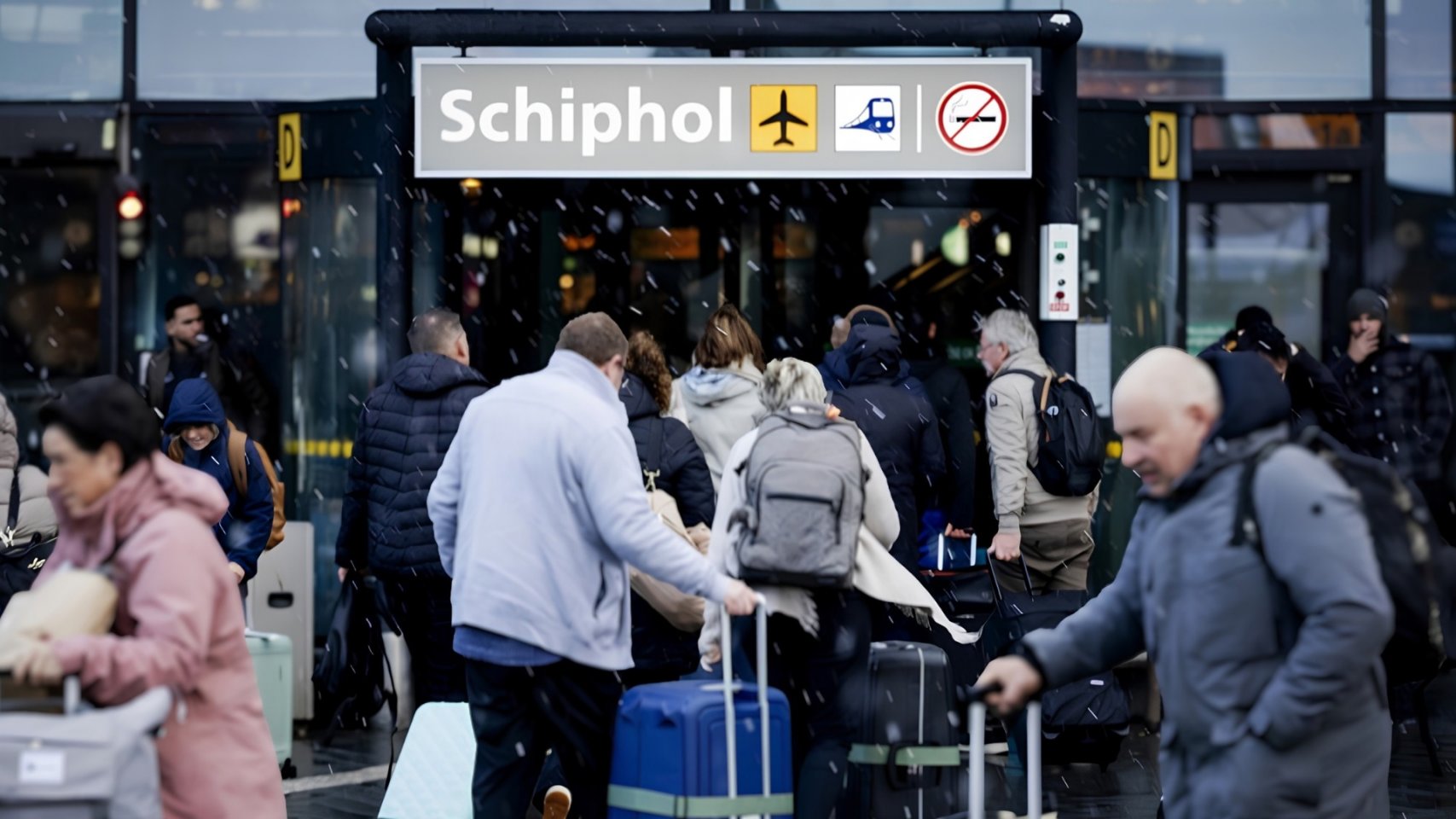
At an operational level, the time change introduces logistical frictions in the synchronization of international travel. The time variability requires tour operators to reconfigure booking schedules, coordinate passenger flows with originating airports, and adjust working hours in an environment of hybrid models and remote work. Although airlines and tour operators minimize the technical impact, the first few days after the change require enhanced administrative oversight to prevent disruptions in transfers and nightlife offerings. Even financial markets reflect these operational tensions, registering slight declines in stock market returns on the Mondays following the time changes.