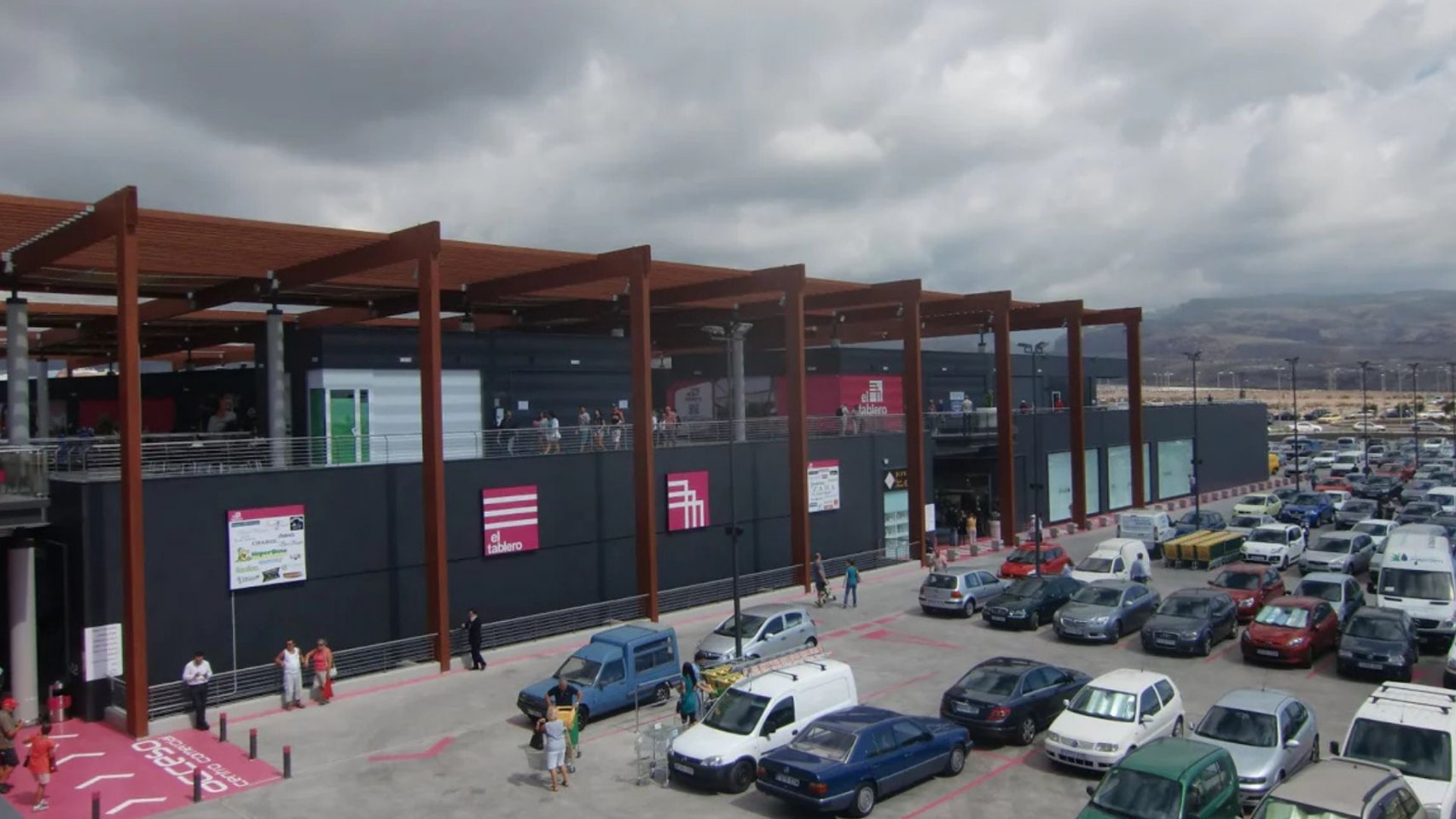
Things from Las Palmas. It's a route of more than 10 kilometers to reinforce the network in southern Gran Canaria. The Government of the Canary Islands has approved by decree the execution of the project for the 66 kV single-circuit overhead and underground power transmission line, called Santa Águeda-El Tablero 2, promoted by the entity Red Eléctrica de España, SAU. The infrastructure has a total length of 10,304 kilometers —divided into 5,233 kilometers of overhead section and 5,071 kilometers underground— and its purpose is to connect the Santa Águeda substation with that of El Tablero, both located in the municipality of San Bartolomé de Tirajana.
This project falls within the framework of the national electricity transmission network plan and addresses the objectives of meeting demand and increasing the penetration of renewable energy in the archipelago. The planned route includes overhead sections with HAWK-type conductors over rural land and underground sections running along urban and tourist roads in the municipality, crossing areas such as Avenida de la Unión Europea, Barranco de la Tabaquera, and various surrounding streets before reaching the final destination facilities.
The processing of the project has been marked by urban planning disagreements with the local administration. The San Bartolomé de Tirajana City Council issued an unfavorable technical report and proposed an alternative route that would run entirely through rural land instead of affecting urban and residential roads. However, the regional government's legal services ruled that the municipal alternative of burying the lines in rural land is unfeasible according to national regulations, which require that transport lines paid for as underground must run strictly through urbanized land and have explicit coverage in the current urban plan.
Given the discrepancies identified with the municipal planning, the Governing Council has applied the mechanisms provided for in the regional legislation governing the electricity sector, deciding to proceed with the works due to reasons of urgency and exceptional energy importance. The government agreement directly legitimizes the construction work and mandates that the affected urban development plan be adapted during its first substantial modification, thus overcoming the jurisdictional obstacle to guarantee the energy supply and transition in the southern part of the island.