The decline in purchasing power in the continent's main source markets is beginning to take its toll on the international tourism industry. The latest official barometer of tourism to Gran Canaria from its source reveals a scenario of marked financial vulnerability in the south of Gran Canaria, where the prevalence of travelers with severe spending restrictions and the high dependence on package holidays confirm a negative shift in European consumer behavior. Far from the rhetoric of prosperity, European families are prioritizing cost containment over discretionary spending.
A snapshot of traveler profiles reveals an overwhelming dominance of low-budget segments, demonstrating that inflation and the structural increase in the cost of services have eroded the purchasing power of the middle class. France tops this restrictive ranking with 51 percent of its travelers categorized as low-budget, followed closely by Italy with 50 percent, Spain with 46 percent, the United Kingdom with 44 percent, Norway with 42 percent, the Netherlands with 39 percent, Sweden with 38 percent, and Germany with 30 percent. This reliance on extreme thrift is stifling profit margins for the hotel industry and related services in host destinations.
This budget contraction is compounded by the rigidity of packaged tourism models, which erode the direct economic impact on host regions. Twenty-one percent of tourists from Italy and 19 percent from both Sweden and the Netherlands primarily opt for all-inclusive packages. These markets are followed by 17 percent from Norway, 16 percent from Germany, 12 percent from the United Kingdom, 11 percent from France, and 9 percent from Spain. This massive shift towards closed tour operators neutralizes the diversification of spending at the destination.
Structural tensions are further complicated by sociodemographic data from the main source markets, where gender parity contrasts sharply with the rigidity of travel options. In terms of quantitative profiles, the gender distribution shows a near-perfect balance in the United Kingdom (45,02% men versus 54,98% women), Germany (49,43% and 50,57%), Norway (50,41% and 49,59%), Spain (49,61% and 50,39%), Sweden (50,64% and 49,36%), the Netherlands (49,76% and 50,24%), France (48,54% and 51,46%), and Italy (49,50% and 50,50%). However, this demographic balance clashes with an increasingly polarized consumer reality.
The highest value-added and most sustainable segments are relegated to token positions on the European stage. Responsible tourism barely reaches 12 percent in France, 11 percent in the Netherlands, 10 percent in the United Kingdom and Sweden, 8 percent in Norway, 7 percent in Spain and Italy, and 6 percent in Germany. Meanwhile, luxury tourism represents a meager 8 percent in Sweden and the Netherlands, 6 percent in Norway, 5 percent in the United Kingdom, 4 percent in Germany and Spain, 3 percent in France, and a marginal 2 percent in Italy.
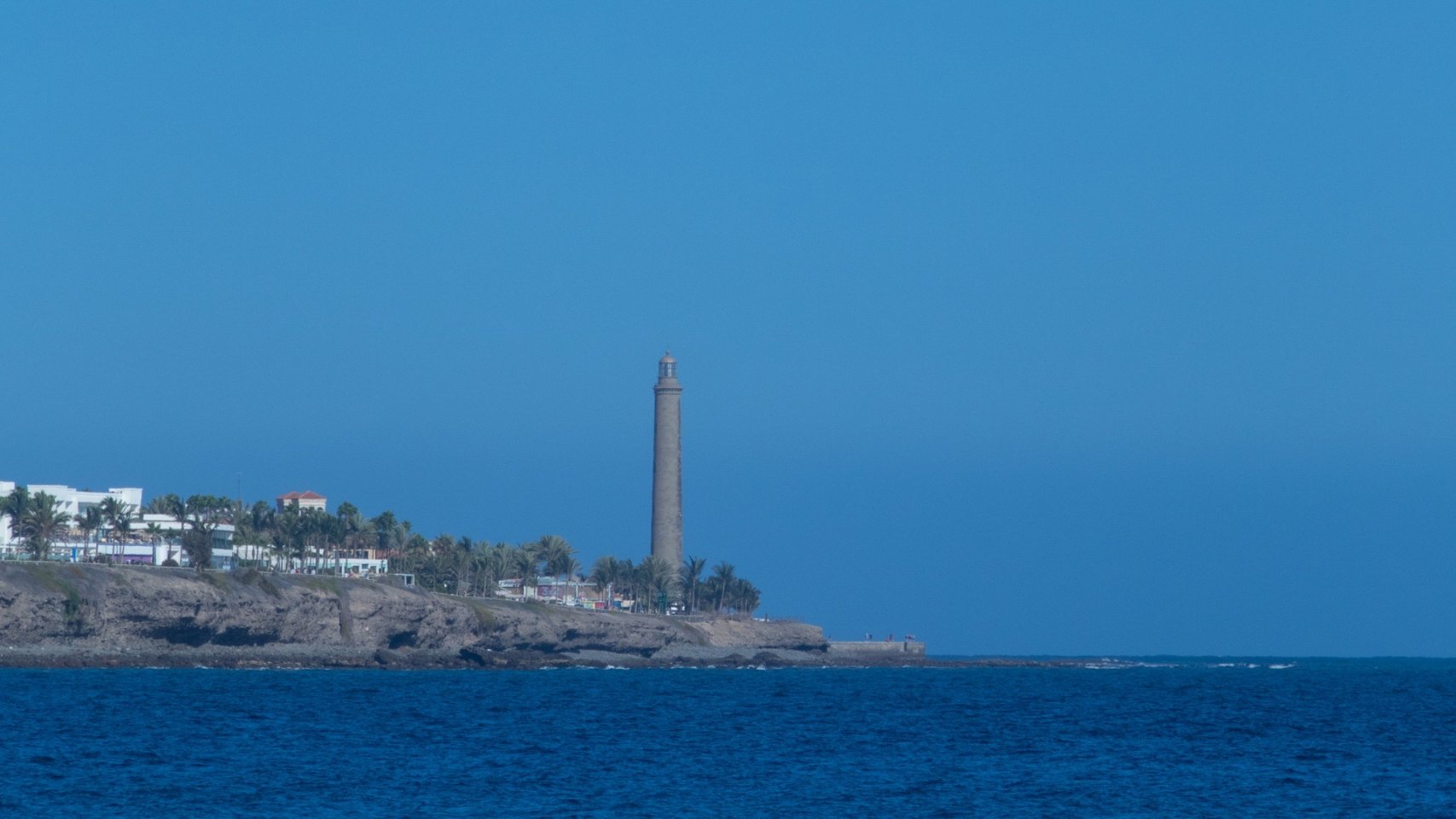
This ecosystem of cutbacks and closed intermediation in Maspalomas anticipates a critical scenario for destinations that depend on external flows, forcing a rethinking of the financial sustainability of a sector gripped by the erosion of family incomes at origin.