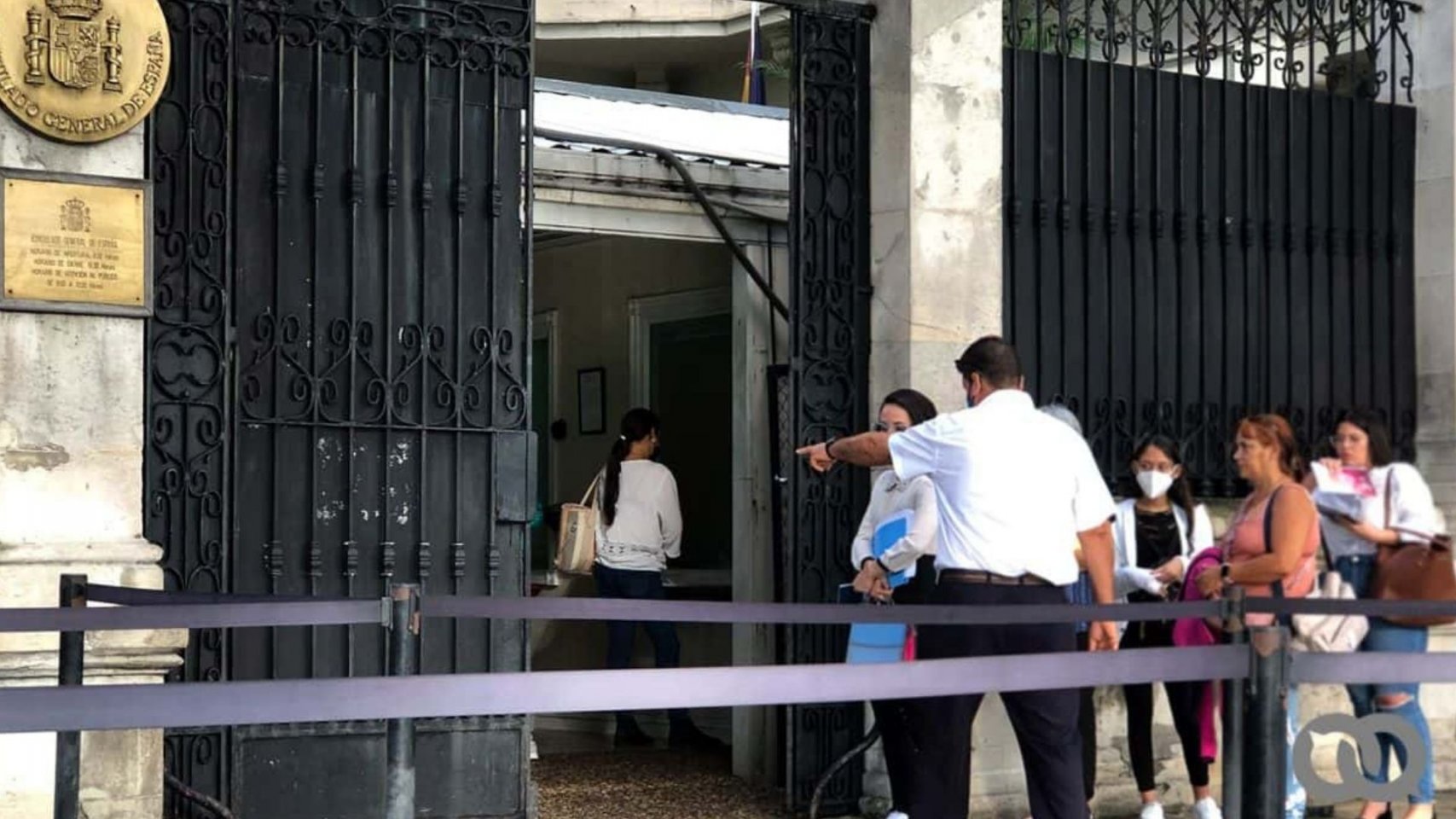
Elections are in 2027, and a silent civil war is raging between AV-PP and Coalición Canaria for this lucrative electoral base. The PSOE has traditionally held sway among Moroccan voters. Analysis of the population structure by nationality in the municipality of San Bartolomé de Tirajana reveals a highly cosmopolitan society where the foreign-born population represents almost 30 percent of the total residents. According to official statistics from 2025, the municipal register shows a total of 54.925 inhabitants, of whom 39.323 are Spanish nationals, equivalent to 71,59 percent of the registered population. Meanwhile, the number of foreign residents totals 15.602, comprising the remaining 28,41 percent of the local demographic fabric of this tourist region. This is not the case in La Oliva in Fuerteventura, where, with 30.000 inhabitants, the foreign-born population already reaches 45,89%.
The gender distribution within the Spanish nationality segment shows a slight male predominance, with 20.482 men representing 71,13 percent of this group, compared to 18.841 women who make up 72,11 percent of the total female population of the municipality. Within the foreign population, the gender distribution remains similar, with 8.315 foreign men (28,88 percent) and 7.287 foreign women (27,89 percent), figures that demonstrate a balanced demographic settlement among the foreign community residing in the southern part of the island.
Within the continental breakdown of the foreign population, the European continent accounts for the vast majority of foreign residents, totaling 10.811 people, which represents 69,29 percent of the immigrant population registered in the municipality. This European group is overwhelmingly led by citizens from the European Union, who number 9.234 registered residents (59,19 percent of foreigners), while the remaining non-EU European countries contribute 1.577 residents (10,11 percent). In terms of gender, the European presence shows a slightly higher proportion of women, with 5.142 EU and non-EU residents (70,56 percent) compared to 5.669 men (68,18 percent).
Outside of Europe, the Americas are the second largest source of residents in the Maspalomas region, with 1.857 people, representing 11,90 percent of the total foreign population. Unlike the European bloc, the American population is predominantly female, with 960 women (13,17 percent) compared to 897 men (10,79 percent). Meanwhile, the Asian and African communities show very similar figures in terms of their overall registered population. Asia accounts for 1.462 residents, representing 9,37 percent of the foreign population, with 738 women (10,13 percent) and 724 men (8,71 percent).
In the case of Africa, the census records 1.461 people, 9,36 percent of the total foreign population, although with a gender distribution radically different from the other continents, concentrating predominantly males: 1.020 men (12,27 percent) compared to only 441 women (6,05 percent). Finally, the group categorized as "other countries" contributes a residual presence of 11 inhabitants, of whom 5 are men and 6 are women, completing a demographic snapshot that confirms southern Gran Canaria as a socioeconomic enclave with strong international appeal.