The official financial analysis of tourist flows in southern Gran Canaria during the second quarter of 2026 reveals a radical transformation in the spending habits of visitors who choose the region for their holidays. Far from registering uniform growth, the sector's accounting shows a profound asymmetry between the drastic increase in the cost of travel and the severe contraction in essential items such as food. Average spending per traveler experienced a year-on-year increase of 4,51 percent, a nominal increase sustained almost entirely by the upward pressure of international and domestic travel, while profit margins for local retailers and restaurants suffered significant cuts.
The Scandinavian and British markets confirm a worrying contraction in their daily spending intensity at destinations. The Nordic countries, traditionally among the markets with the highest daily spending capacity, have seen a 3,26 percent decrease, falling from €176,57 per day in the second quarter of 2025 to €170,81 in the second quarter of 2026, a reduction of €5,76 per day.
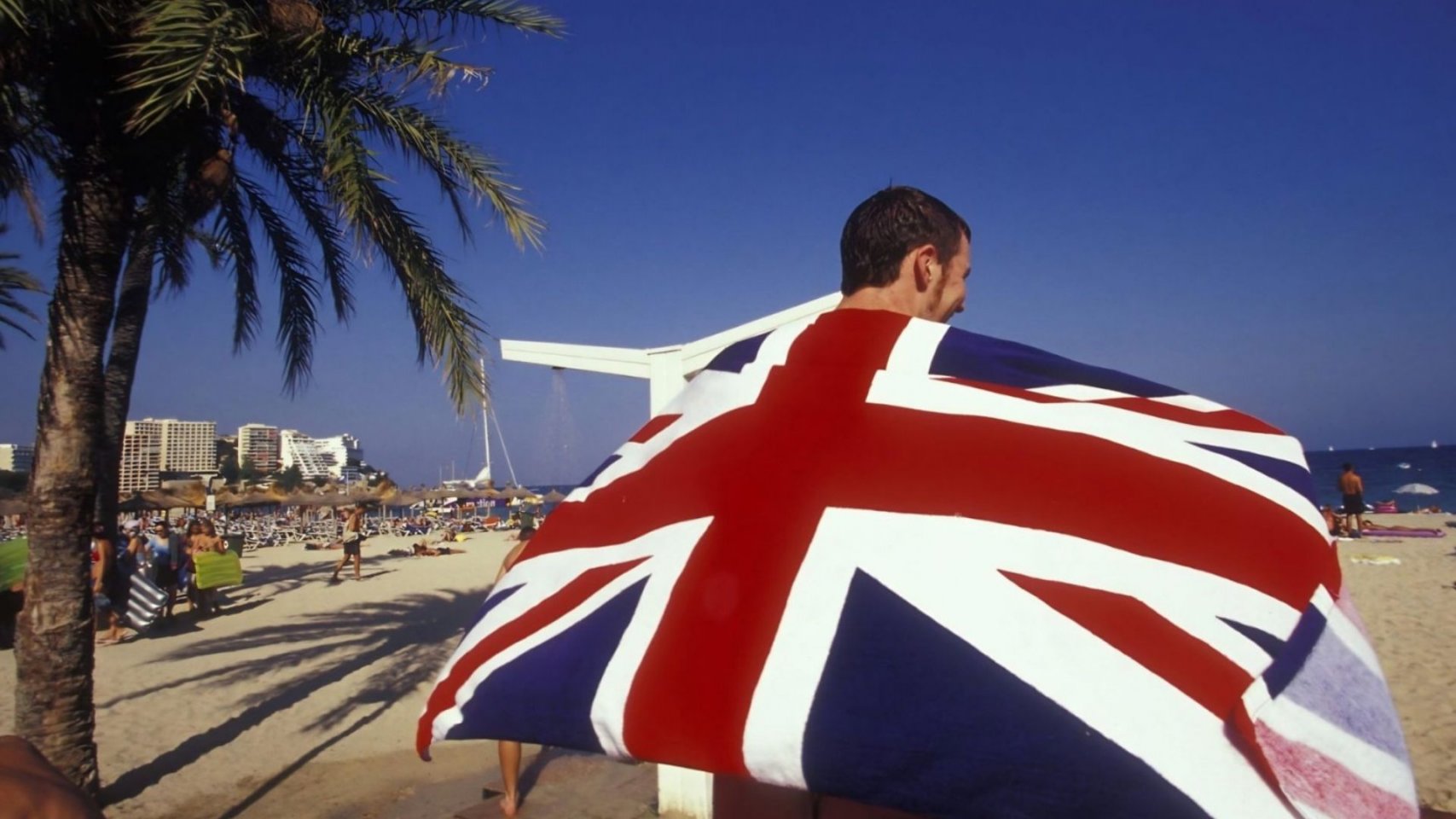
The United Kingdom, the largest market for southern Gran Canaria, is also experiencing a decline, with daily spending falling by 1,91 percent, from €179,91 to €176,47, representing a decrease of €3,44 per traveler per day. This cooling of British and Nordic spending, combined with the general increase in travel costs, paints a picture of mixed profitability for tourism businesses in Maspalomas, forcing them to rethink their cost strategies in the face of a consumer increasingly constrained by inflation in their home countries.
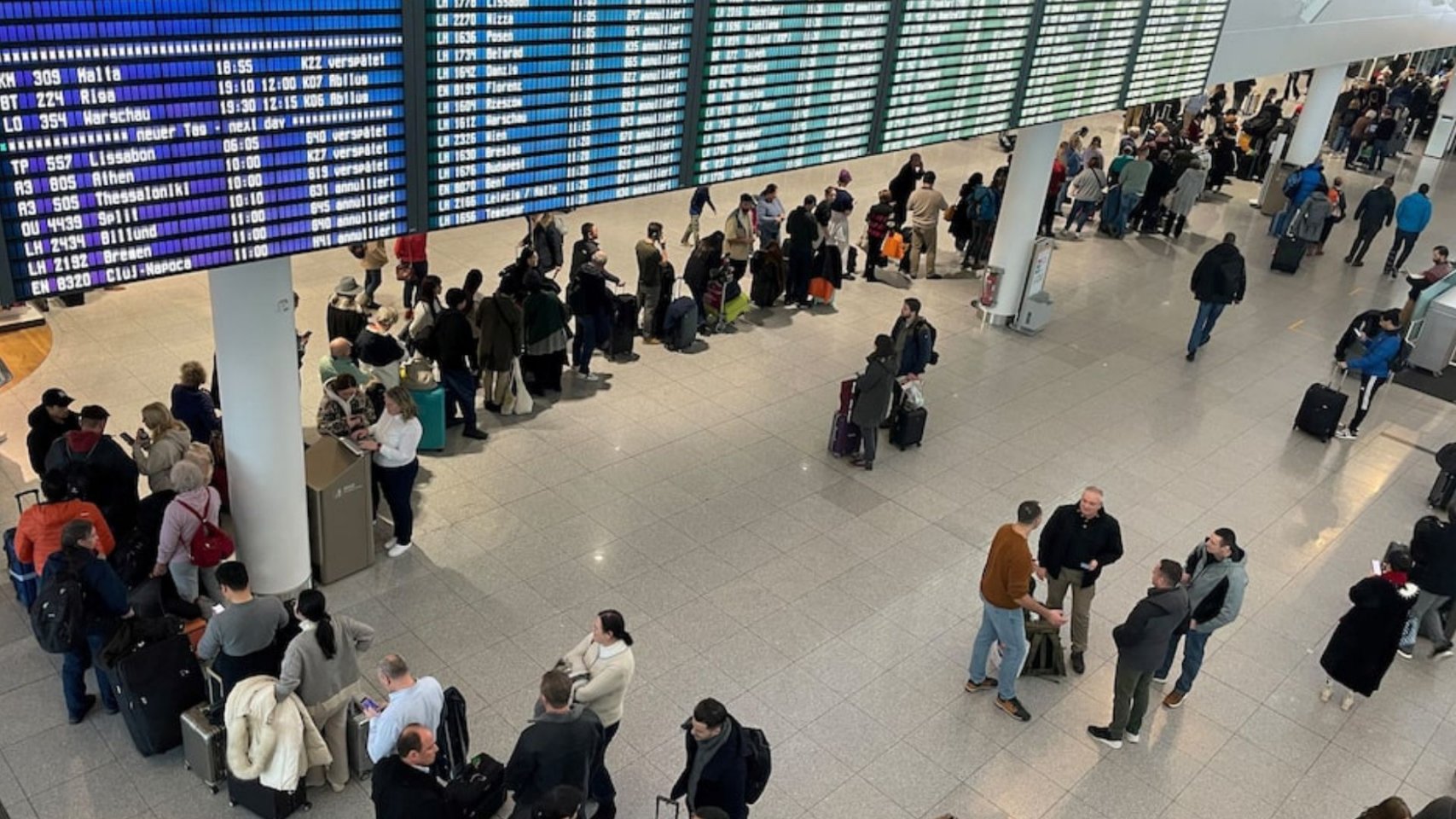
The breakdown of costs by category reveals that the epicenter of the inflationary increase lies in transportation costs. National and international transport has skyrocketed from €327,20 in the second quarter of 2025 to €386,96 in the second quarter of 2026. This increase of €59,76 per visitor represents an 18,26 percent rise, significantly increasing the cost of accessing the island destination. Similarly, internal mobility within the archipelago has experienced the largest relative increase across the entire cost structure: local transport has jumped from €76,22 to €91,23, adding €15,01 per tourist, equivalent to a 19,69 percent increase. These figures confirm that reaching Maspalomas and traveling around southern Gran Canaria is consuming an increasingly larger portion of the total vacation budget.
At the opposite end of the economic spectrum, spending on everyday consumption and leisure activities is experiencing an economic contraction that directly impacts the retail and restaurant sectors in the tourist area. The food category, which includes supermarkets and restaurants, registers the sharpest decline of the period, falling from €207,65 per tourist in the second quarter of 2025 to €189,52 in the second quarter of 2026. This withdrawal of capital represents a decrease of €18,13 per traveler, translating to an 8,73 percent drop.
Leisure spending also showed a slight decline, contracting by 1,25 percent from €47,92 to €47,32, a decrease of €0,60. Meanwhile, spending on goods showed minimal resistance, rising by just 1,49 percent from €50,84 to €51,60, a marginal gain of €0,76. The accommodation category, which includes both main expenses and ancillary services, remained virtually unchanged year-on-year, going from €607,31 to €609,19, a negligible variation of 0,31 percent that reflects the price restraint implemented by hotels to prevent a drop in bookings. Other tourist expenses complete the picture, climbing 14,43 percent, from 7,07 euros to 8,09 euros, adding 1,02 euros more per visitor.
Examining the average daily spending per tourist by country of residence, the overall average increased by 4,13 percent, reaching €168,86 per day compared to €162,16 the previous year. However, this overall increase masks divergent trends among the main source markets that support the economy of the southern islands. Germany saw the most significant daily increase, with spending soaring from €155,83 to €173,68 per day, representing an 11,45 percent rise and injecting an additional €17,85 per day per tourist.
The Netherlands follows this upward trend with an 8,75 percent increase, raising daily spending from €159,79 to €173,77, an increase of €13,98. The Spanish domestic market also increased its daily contribution by 5,33 percent, rising from €138,96 to €146,37, an increase of €7,41. The category categorized as "other countries" grew by 6,74 percent, climbing from €158,36 to €169,04 per day, with a positive balance of €10,68.
In contrast to this continental dynamism, the Scandinavian and British markets are showing a worrying contraction in their daily spending at the destination. The Nordic countries, traditionally among the markets with the highest daily spending capacity, have seen a 3,26 percent decrease, falling from €176,57 per day in the second quarter of 2025 to €170,81 in the second quarter of 2026, a reduction of €5,76 per day. The United Kingdom, the largest market for southern Gran Canaria, is also experiencing a decline, with daily spending decreasing by 1,91 percent, from €179,91 to €176,47, representing a decrease of €3,44 per traveler per day. This cooling of British and Nordic spending, combined with the general increase in travel costs, paints a picture of mixed profitability for tourism businesses in Maspalomas.