The San Bartolomé de Tirajana City Council launched a tender this summer for €655.000 for the first phase of the Sonneland sidewalk renovation, one of the municipality's commitments. The project, which affects Agustín Millares Carló and César Manrique streets, is expected to take six months and employ an average of 12 workers during its execution, for a total of €655.620,39. This is the figure the San Bartolomé de Tirajana City Council has allocated for the first phase of the comprehensive renovation of the Sonneland sidewalks. The contract execution budget amounts to this sum, according to the technical project drawn up in 2026. This action is part of a broader intervention in the neighborhood's public spaces.
For Sonnenland, the change will have a direct impact on something as basic as walking through the neighborhood. The investment is focused on urban infrastructure, intersections, access points, and street lighting. These are elements used daily by residents, workers, and visitors. The projected cost to begin changing this route is €655.620 and six months of construction. The first phase, on which technicians from the mayor's office to the Urban Planning and Public Works departments have been working, initially focuses on two streets: Dr. Agustín Millares Carló and César Manrique. These are two of Sonnenland's main internal mobility axes. The project envisions a second phase encompassing Teobaldo Power, Einstein, Dr. Juan Bosch Millares, Isaac Peral, Thomas Edison, Vicente Blasco Ibáñez, and Tomás Morales. The plan aims to maintain pedestrian and vehicular traffic during the works and minimize disruption to businesses, services, and building access.
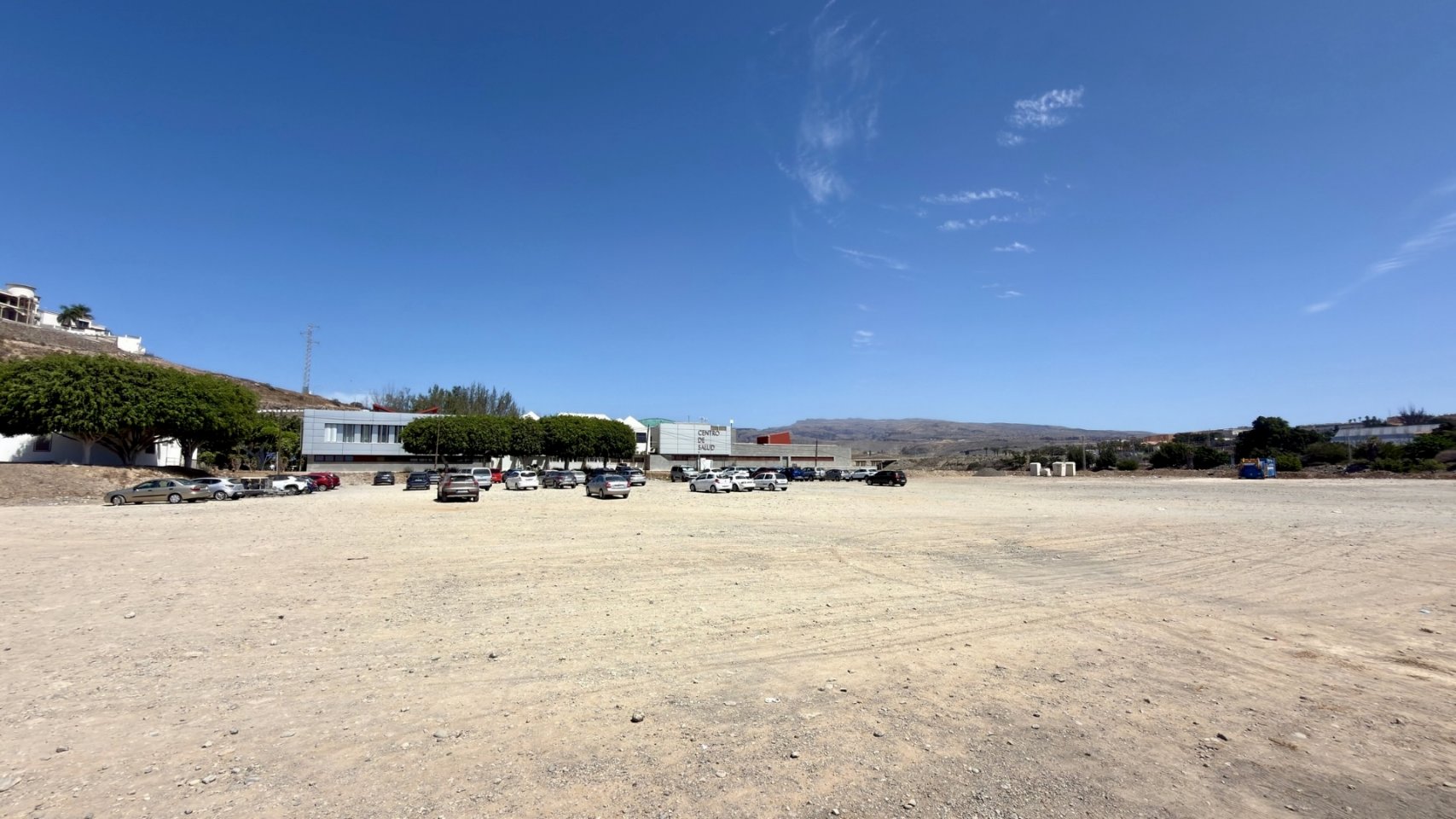
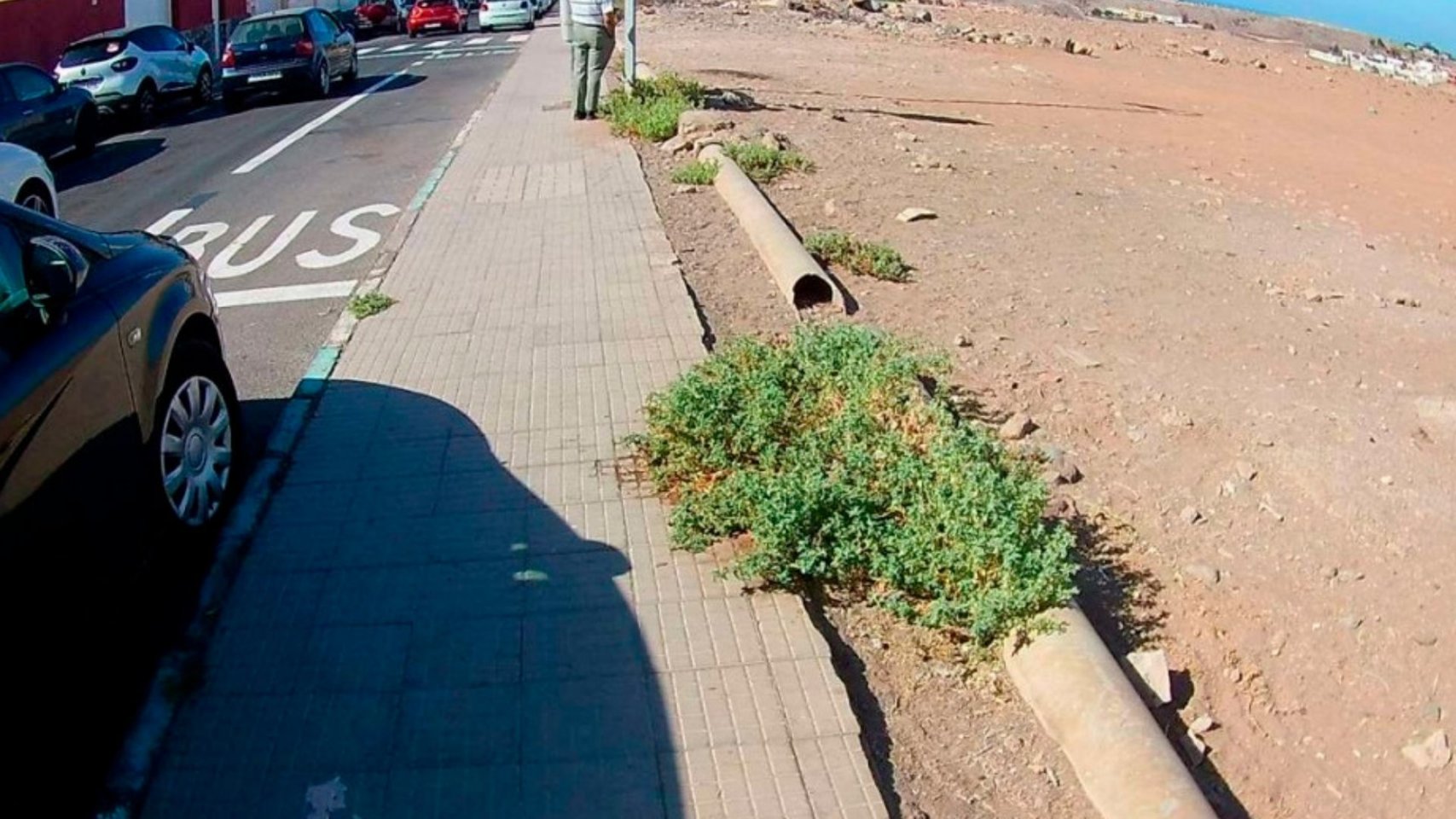
The diverse population of residents, including those living in apartments, housing complexes, and commercial spaces, coexists within an urban fabric that has been neglected. The competition brief highlights significant pedestrian and vehicular traffic on sidewalks with deteriorated pavement, discontinuities, and accessibility issues. The project arises from this situation.
The work involves more than simply removing and replacing tiles. It includes demolishing existing paving and curbs, preparing the subgrade, laying new concrete slabs, constructing pedestrian crossings, adjusting levels, replacing manhole covers, and working on drainage elements. It also includes horizontal and vertical signage. Accessibility is a key focus. The project proposes widening sidewalks where necessary, adapting pedestrian crossings, and addressing slopes to ensure usable routes for people with reduced mobility. Technicians will pay particular attention to leveling. The document notes that successive resurfacing campaigns have resulted in uneven surfaces between sidewalks, entrances to businesses, and garages.
The chosen paving material is also of considerable size. The technical documentation specifies Llosa Vulcano hydraulic tiles by Breinco or similar, with a thickness required for certain areas such as retail spaces or loading and unloading zones for tourism logistics. Another solution uses 20 x 20 cm tiles, four centimeters thick. Installation includes joints, cuts, special pieces, and adaptation of utility access covers.
The street lighting will be renovated as the project plans to replace existing fixtures with more efficient equipment. It also includes work on the networks and other elements that may be affected by the construction. Topographical monitoring will play a key role: the document establishes regular checks, approximately twice a week during the project.
The planned timeline is six months. The project estimates an average workforce of 12 workers during construction. This projection makes the project a significant undertaking, likely to disrupt the daily routine of one of the southern residential and tourist areas of the municipality for several months. The project also includes a second phase. The goal is to extend the renovation to other streets in Sonnenland once the first phase is complete. Dr. Agustín Millares Carló and César Manrique streets were chosen due to their location within the neighborhood's road network. The City Council intends to use this initial phase as a model for subsequent projects.