The tourism sector in southern Gran Canaria faces a scenario of marked structural weakness when analyzing financial and operational indicators related to capacity and prices. In contrast to the aggressive dynamism of its main mainland and archipelagic competitors, the island destination is experiencing a clear slowdown. Updated data reflects a limited capacity to attract visitors, with airline seat volumes and average fares demonstrating a worrying loss of competitiveness in the bottom line of tour operators.
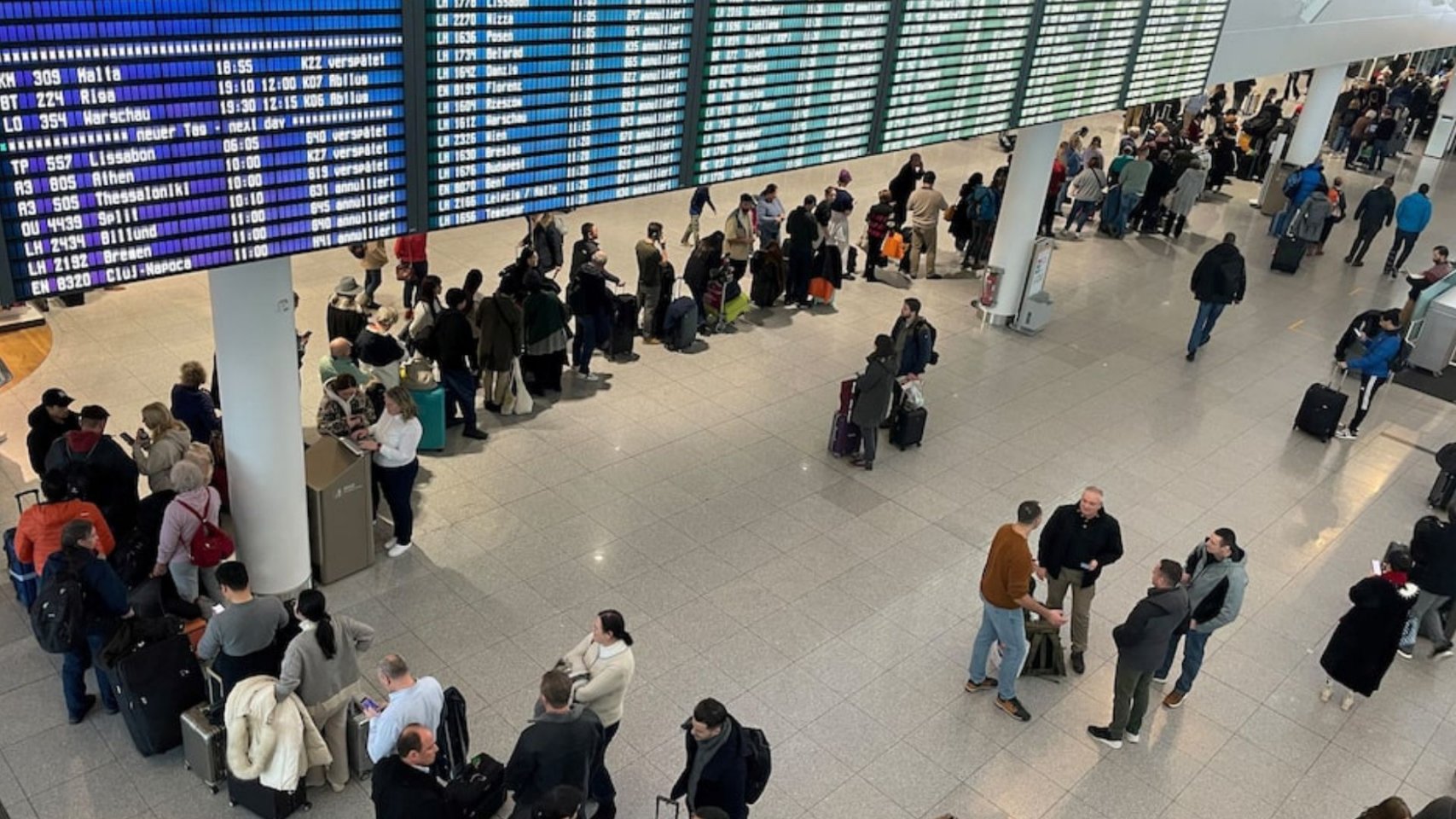
The most glaring competitive disadvantage lies in the evolution of international connectivity. According to air capacity records, Gran Canaria has seen a meager year-on-year increase of 1,81 percent in scheduled airline seats from September to December, falling far short of the growth seen on the Costa del Sol, which has boosted its seats by 9,24 percent, or Palma de Mallorca, which has recorded a 3,32 percent increase. Even Tenerife is significantly outperforming the island. This stagnation in flight arrivals is severely stifling the flow of foreign tourists, depriving the accommodation sector of the necessary volume to sustain revenue during the off-season.
Analysis of the average daily rate reveals another major financial weakness of the destination. While the average room rate experiences occasional spikes during peak season—reaching €206 in March and €204 in April—the rest of the year sees significantly lower rates that erode the real profitability of the establishments. The low rates in September (€145), October (€170), and the summer months of June (€143) and July (€142) demonstrate the sector's inability to sustain consistently high margins, falling short of the monetization potential achieved by competing destinations during their annual peaks.
In terms of monthly hotel occupancy, the instability paints a dangerous picture for business viability. Gran Canaria starts the year with 79,21 percent in January, rises to 82,96 percent in February, and then gradually declines to 77,84 percent in March, 71,51 percent in April, and a low of 69,22 percent in May. Although summer temporarily masks the figures with 79,99 percent in June and 83,5 percent in August, the decline accelerates again in the final months of the year, reaching 77,47 percent in September and falling to 76,19 percent in December. These fluctuations demonstrate an excessive dependence on traditional seasonality.
With official data, the qualitative and satisfaction analysis provided by the monthly comparison reinforces the critical diagnosis. With an overall average rating of 8,53—where staff stand out with a 9,14 and cleanliness reaches 8,89—the Achilles' heel lies in the value for money, which plummets to a modest 8,3, the lowest score of the entire panel analyzed. This gap between the cost borne by the traveler and the perceived quality of service, coupled with a paltry 1,81 percent growth in air travel, is squeezing the profit margins of tourism companies in the south of the island.