The tourism sector in southern Gran Canaria is facing a worrying paradigm shift. Official data for the second quarter of 2026 reveal a widespread sluggishness in spending and activity at the destination, evidenced by a marked trend of visitors remaining inactive within accommodation complexes. The industry, traditionally dependent on tourist mobility to boost the local economy, is observing how a growing portion of demand is opting for a sedentary stay model.
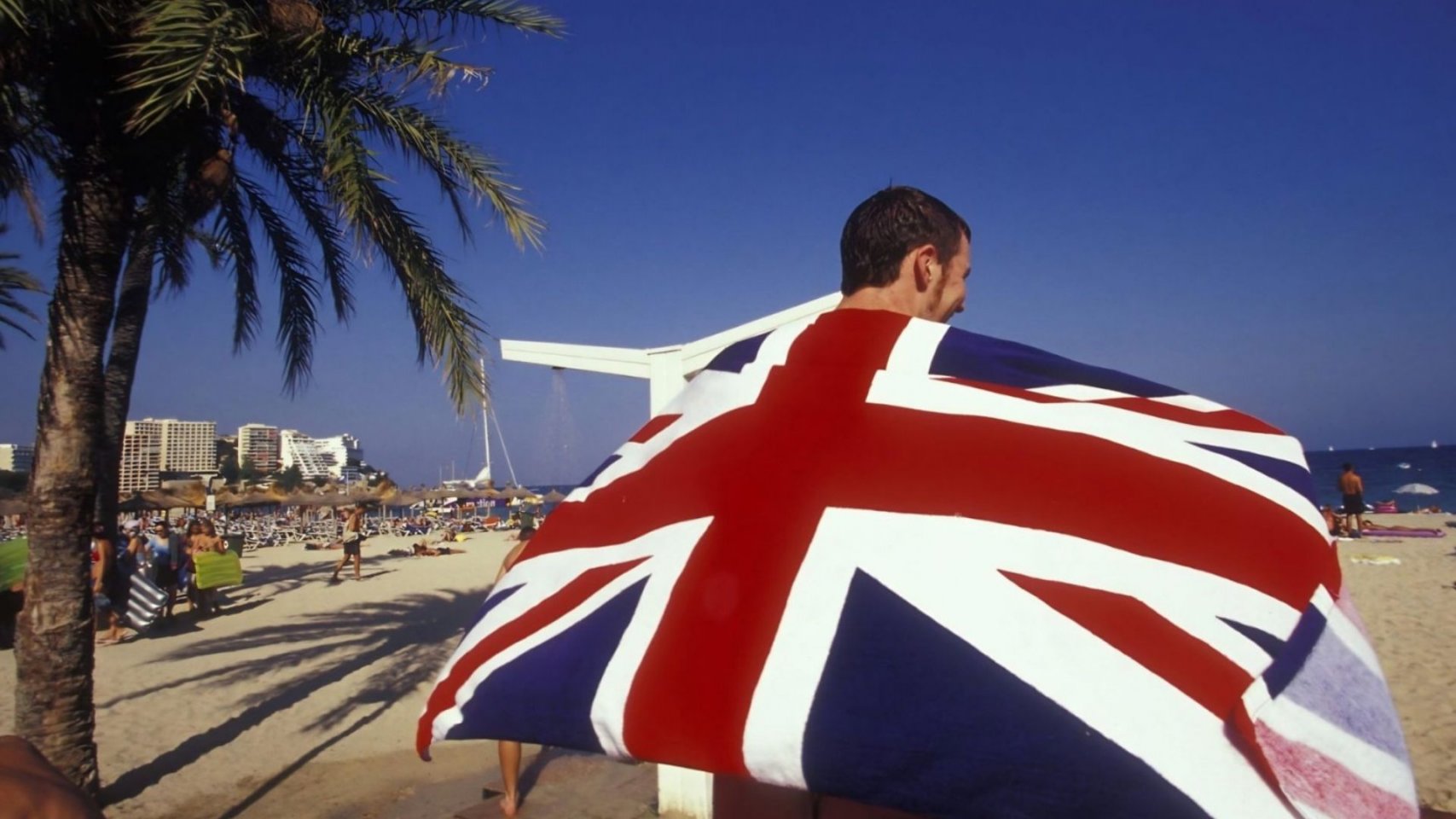
The analysis of tourist behavior by nationality underscores the seriousness of the situation for the hotel and non-hotel sectors. British tourists, the island's main source market, are consolidating their "low impact" profile on the destination. Figures show a notable increase in visitors from the United Kingdom who limit their time away from their accommodation to a maximum of three hours per day, a category that accounts for 29,10% of this market share, compared to 24,38% the previous year. This immobility translates directly into a contraction in spending on restaurants, retail, and leisure activities outside of the "all-inclusive" system.
In contrast, domestic visitors remain the most active, with 19,81% spending full days exploring the island, exceeding twelve hours outside their rooms. However, this segment is unable to compensate for the lack of dynamism in the main international markets. German tourists, on the other hand, show polarized behavior, with an increase in ultra-short stays outside the hotel (from 19,77% to 20,09% in the 0-3 hour range), confirming a growing disconnect with the complementary offerings of southern Gran Canaria.
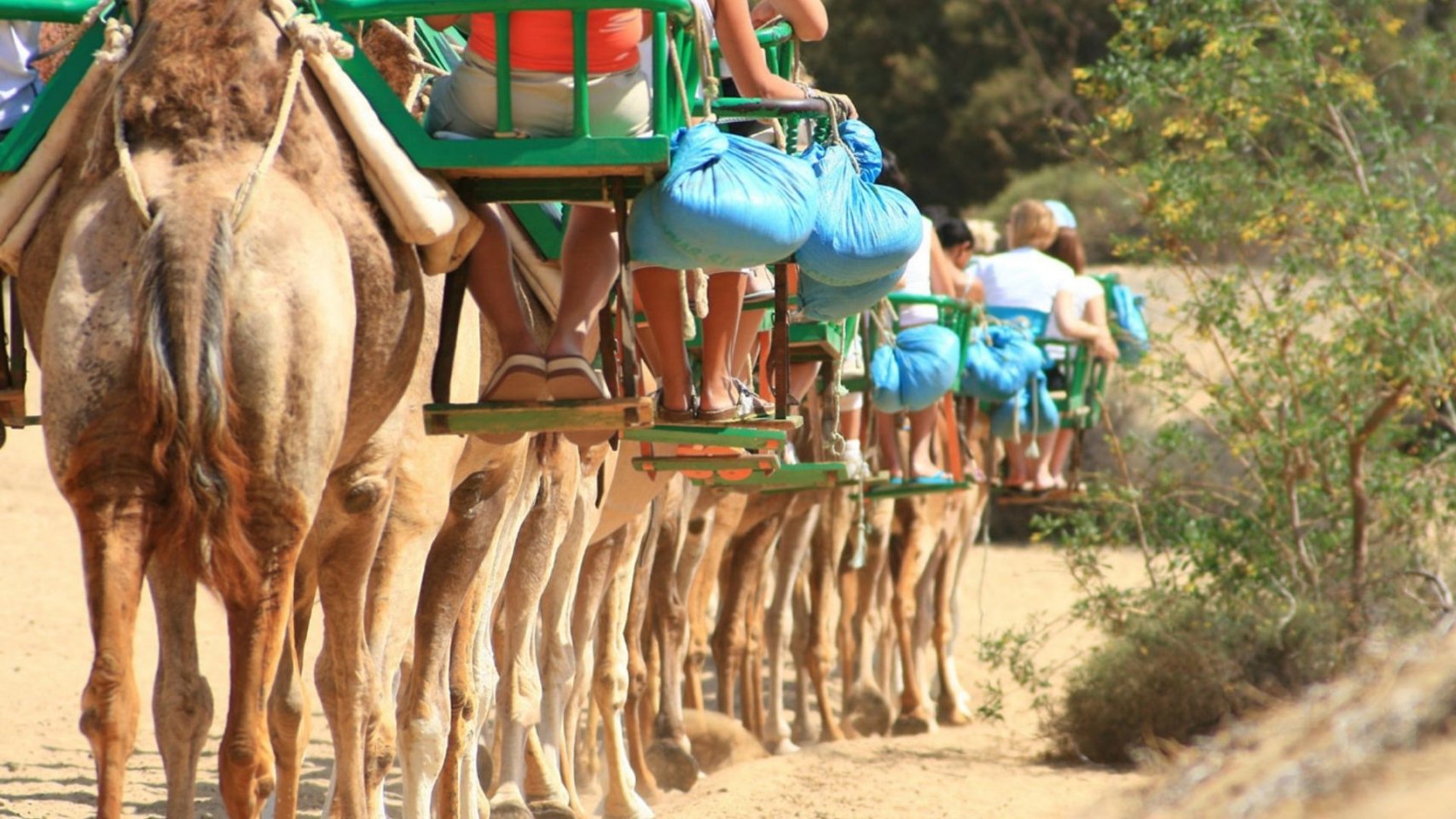
The geography of spending at the destination also suffers the consequences of this stagnation. While major tourist destinations such as the Maspalomas Dunes, Puerto de Mogán, and the capital, Las Palmas, continue to attract the majority of visitors, the percentage of tourists who report visiting other points of interest on the island is small. A survey of activities undertaken places walking (68,60%) and the beach (66,94%) at the top of the list of preferences, relegating exploration of the island to a secondary position. Even more alarming is the limited consumption of Canarian cuisine, consumed by only 17,25% of visitors, which indicates a disconnect between the tourism offerings and the local cultural heritage, with the consequent negative impact on the agri-food and service value chain.