Two decades have passed since one of the most controversial episodes in Canary Islands territorial politics. At the end of the first decade of the 2000s, the PSOE (Spanish Socialist Workers' Party), which held power in the Directorate General of Coasts, spearheaded a risky and highly criticized initiative: extracting sand from the seabed of Pasito Blanco to regenerate 18 beaches in southern Gran Canaria. This decision sparked outrage among environmentalists and jeopardized the sustainability of the Maspalomas dune ecosystem. Did it have local electoral repercussions? The AV-PP (Association of People's Alliances) swept the 2011 elections, increasing its representation from eight councilors in 2007 to 14. Nueva Canarias (New Canaries) maintained its power but was unable to retain the mayoralty.
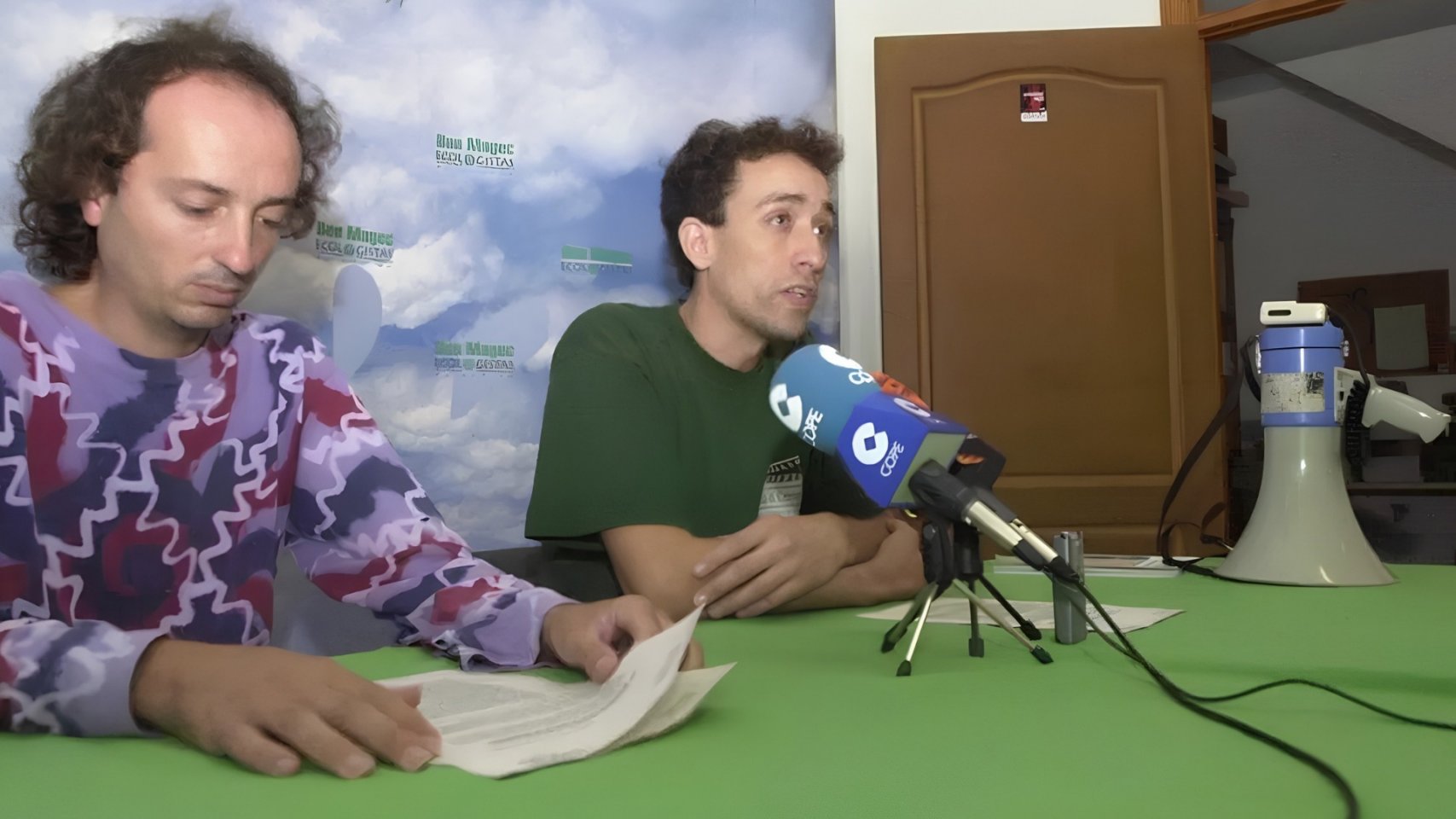
The project, valued at 5,6 million cubic meters of sand, became a battleground. On one side, the socialist administration, under the leadership of José Fernández, defended the need to regenerate the beaches to boost tourism, one of the island's economic engines. On the other side, the environmentalists of Ben Magec Ecologistas en Acción, led by Antonio Hernández, denounced the project for lacking rigorous environmental impact studies and for endangering the integrity of the Maspalomas Dunes, a protected natural area.
The environmentalists' accusations were forceful. Hernández went so far as to claim that the PSOE's decision "was driven by the business interests of certain companies affiliated with the PSOE." This serious accusation, while never proven, demonstrated the deep distrust that existed between civil society and the political class at the time. The environmentalists also lamented the fact that the ongoing research on the area's seabed, led by Dr. Enma Pérez Chacón, a geographer, had not been taken into account.
The Canary Islands government, then presided over by Paulino Rivero (Canarian Coalition) and governing in coalition with the People's Party (PP) and later with the Spanish Socialist Workers' Party (PSOE), opposed the sand extraction. The Deputy Ministry of Territorial Planning issued a report unfavorable to the project, arguing that the chosen sandbank was located within the boundaries of a Natura 2000 site, the Mogán Marine Strip Site of Community Importance (SCI). This SCI was habitat for two priority species: the bottlenose dolphin and the loggerhead sea turtle.
The environmental impact study accompanying the project, for its part, downplayed the risks. It stated that the sandbank area was an ecological transition zone with low diversity of benthic communities and that the sand came from Maspalomas, so it would not affect the stability of the beach. However, the experts disagreed. Luis Hernández Calvento, PhD in Geography, could not say for sure whether the extraction would accelerate the disappearance of the dunes, although he cited the work of other experts who directly linked this issue. Ignacio Alonso, Professor of Marine Sciences, opined that the Pasito Blanco sandbank was so large that the extraction would barely affect its ecosystem.
Two decades later, the Pasito Blanco episode remains a stark reminder of the complexities of land management in the Canary Islands, a territory where tourism development and environmental conservation often clash. The story of the Pasito Blanco sand dune serves as a lesson on the importance of transparency, scientific rigor, and citizen participation in decision-making processes that affect our natural heritage.